
Level 1 sweep and inspection to the NFPA 211 annual standard - flue, crown, cap, and flashing checked and photographed
Chimney sweep logs do not sweep chimneys. They loosen some creosote - which then falls where a brush and vacuum still have to collect it.
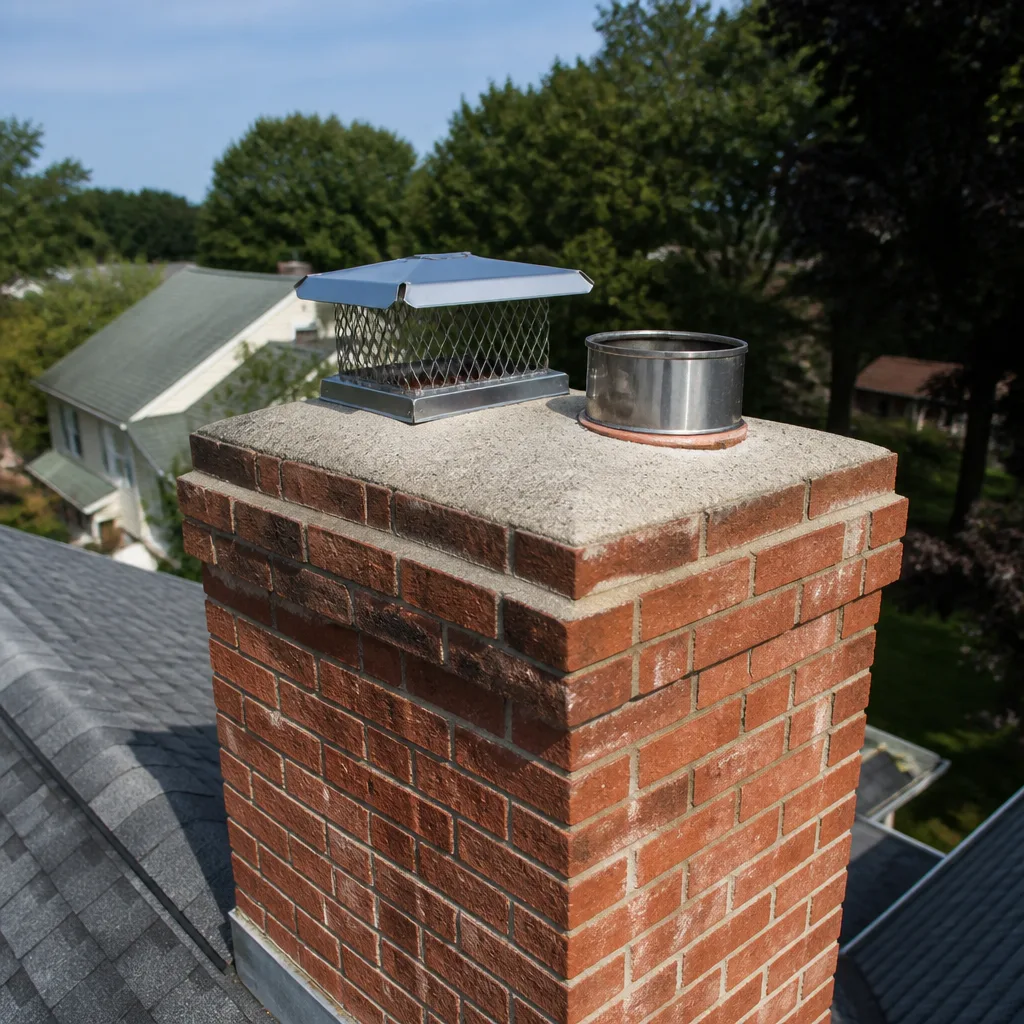
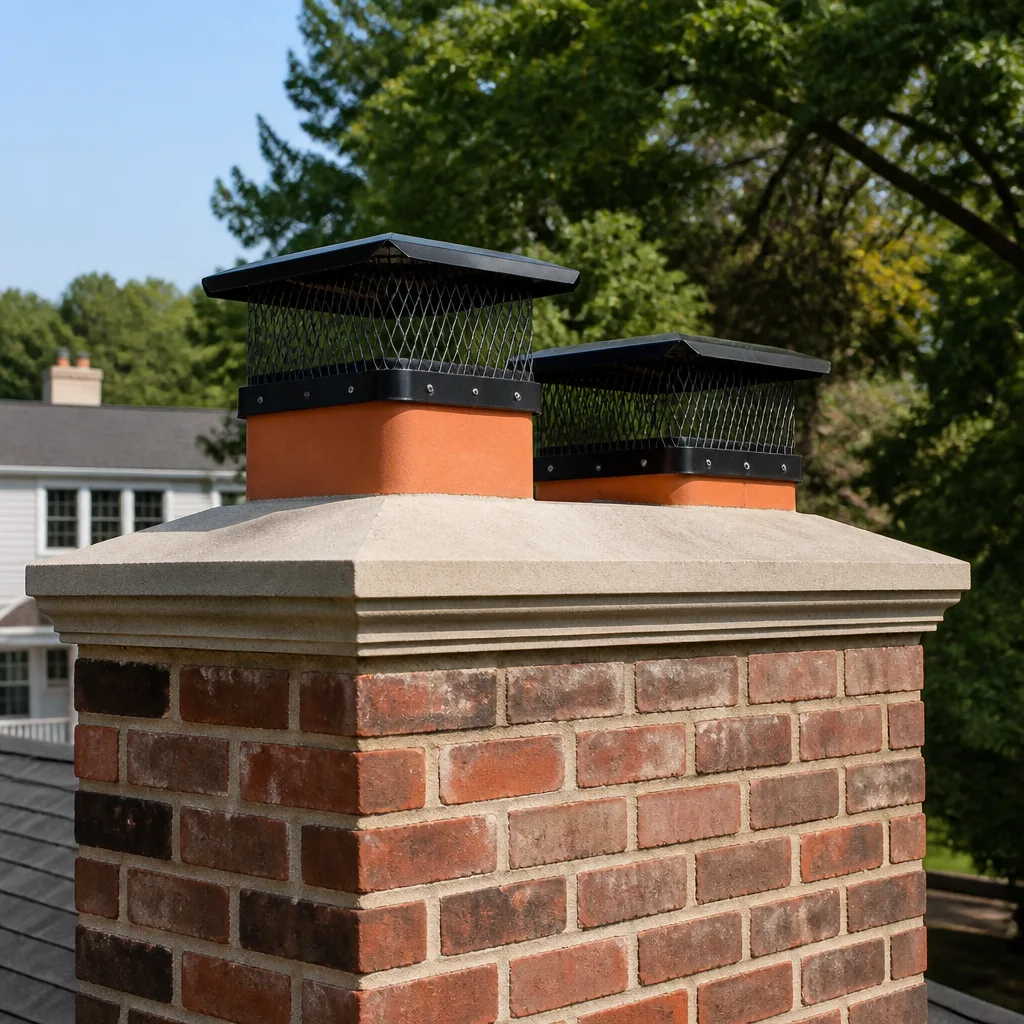
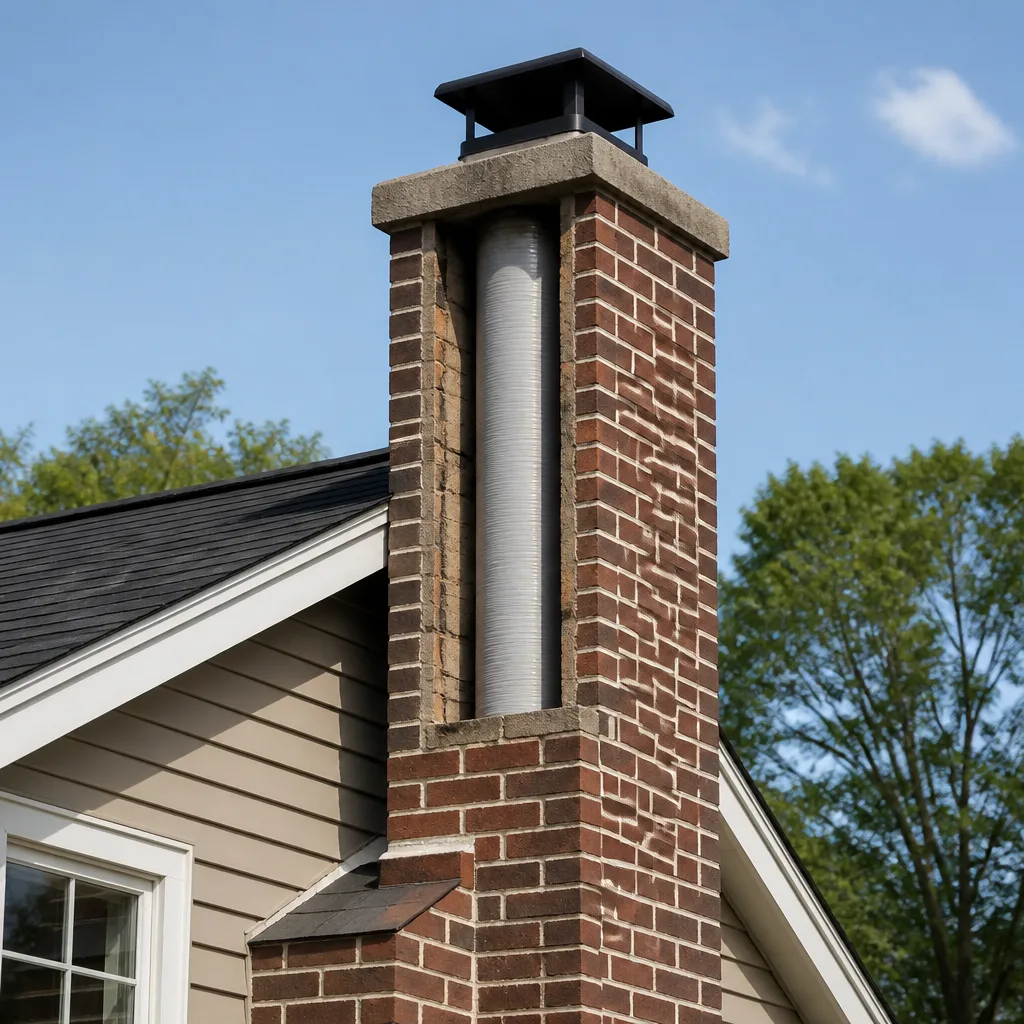
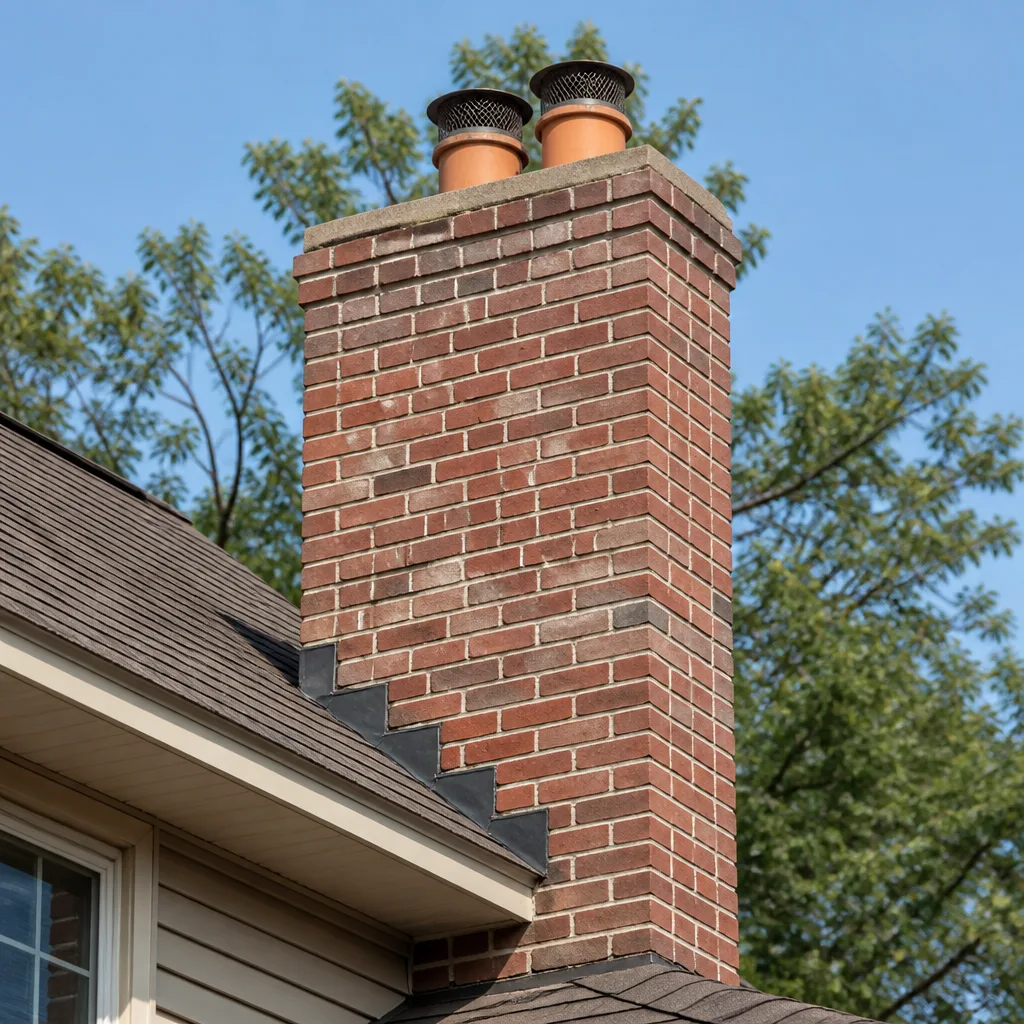
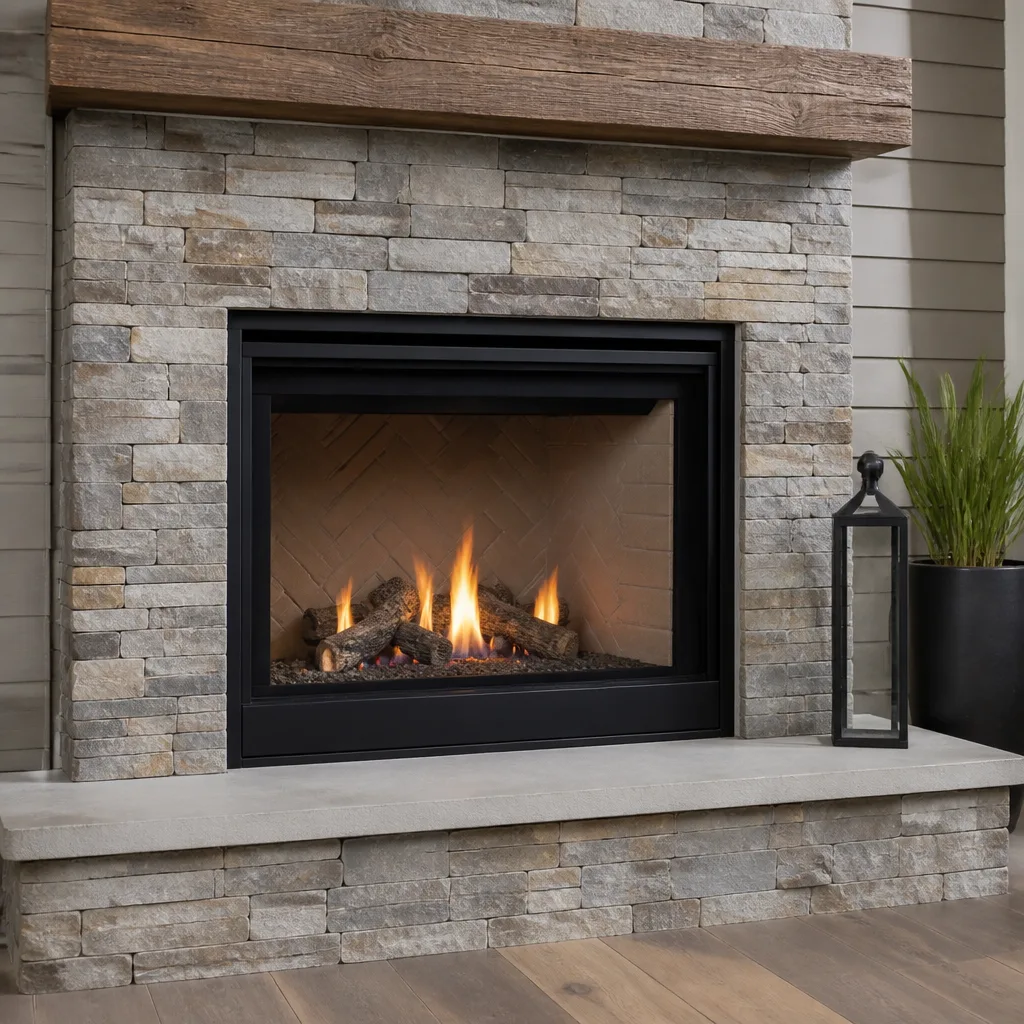
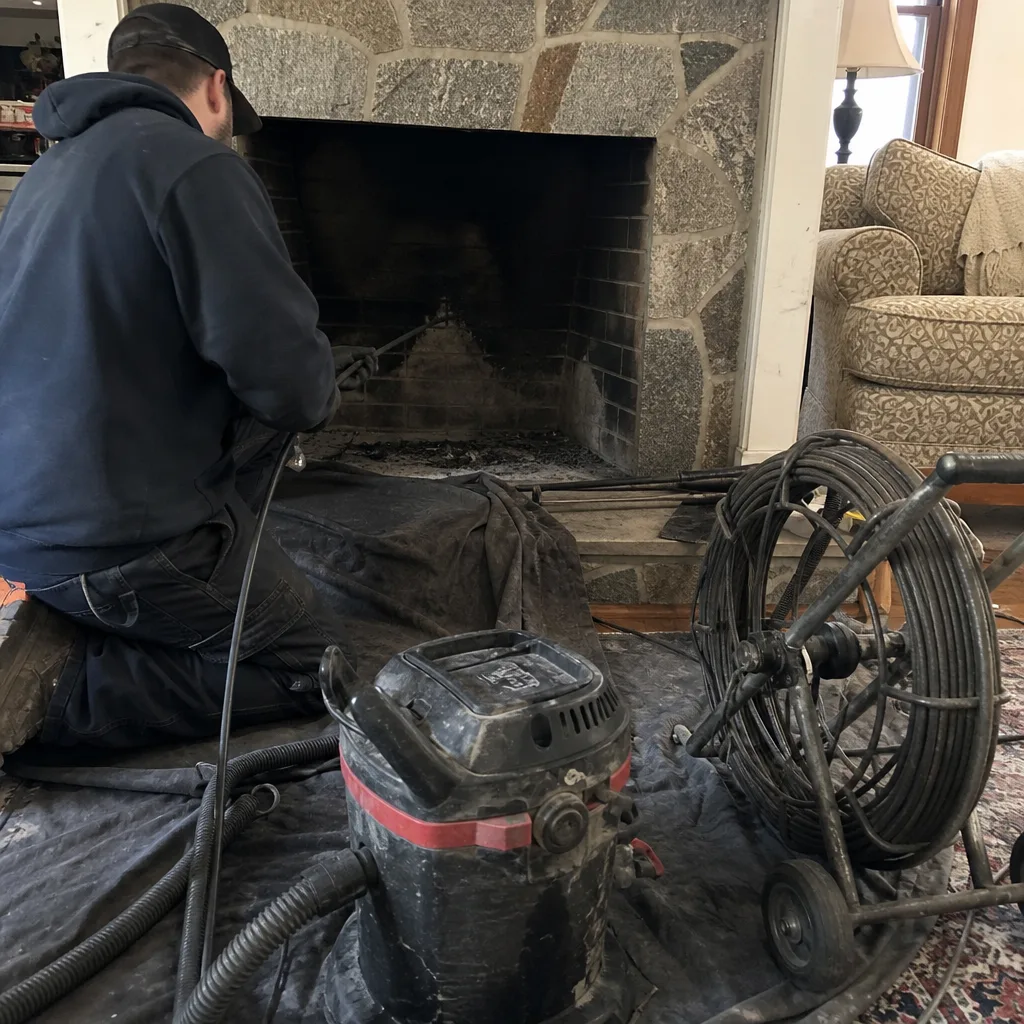 Before
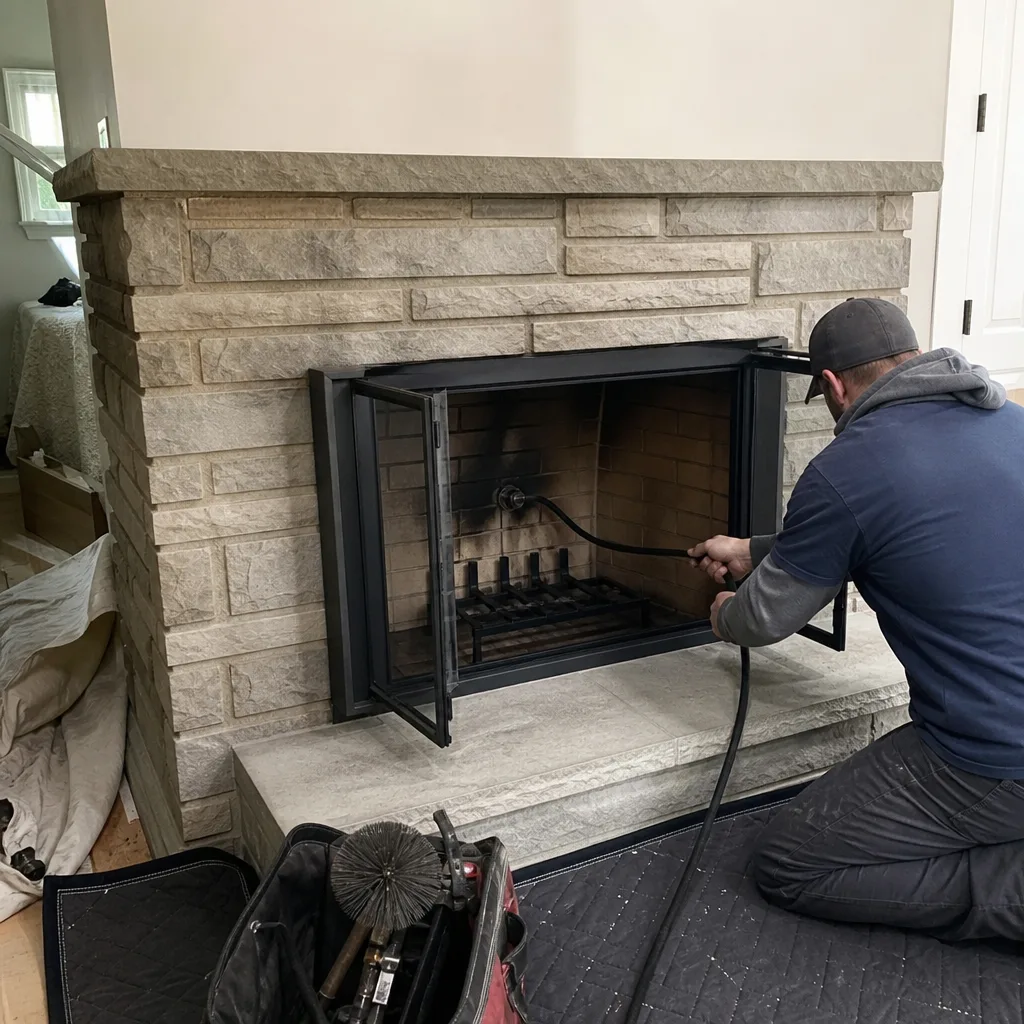 After
After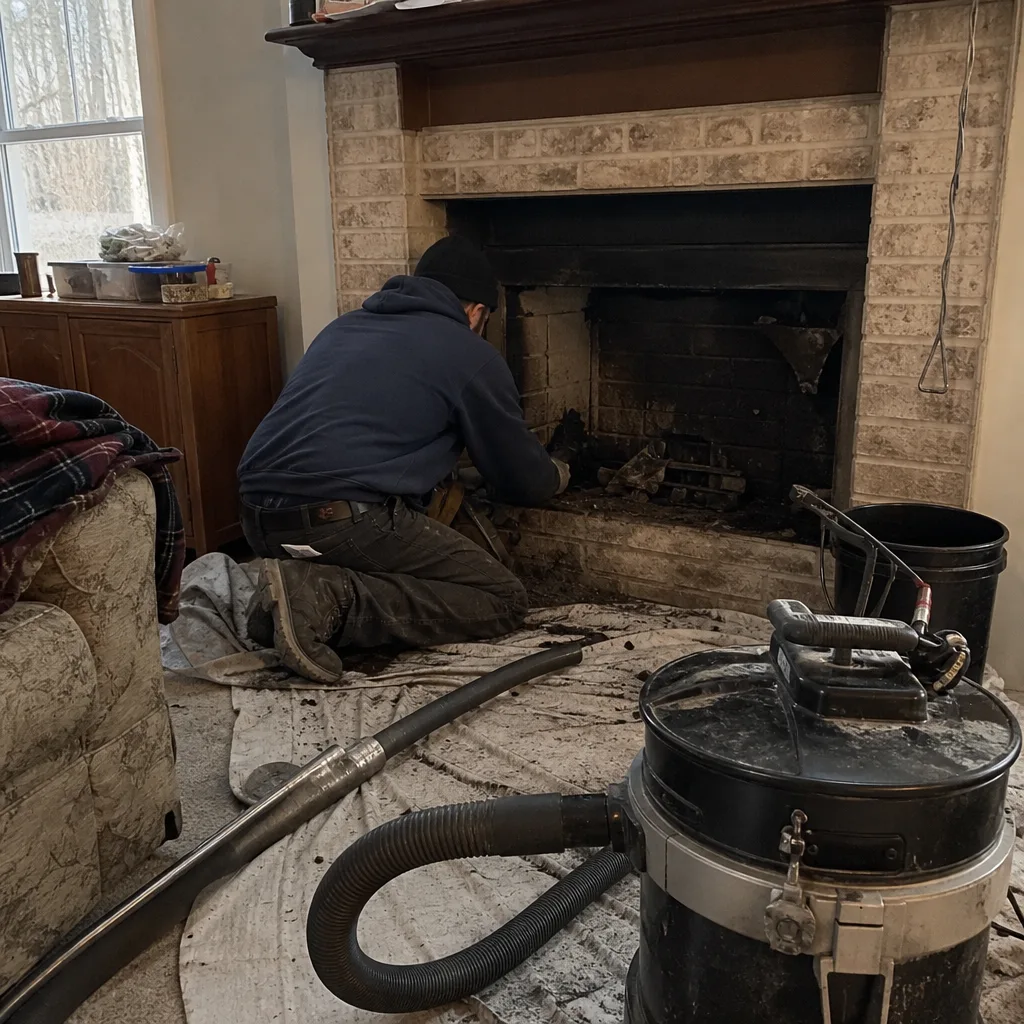 Before
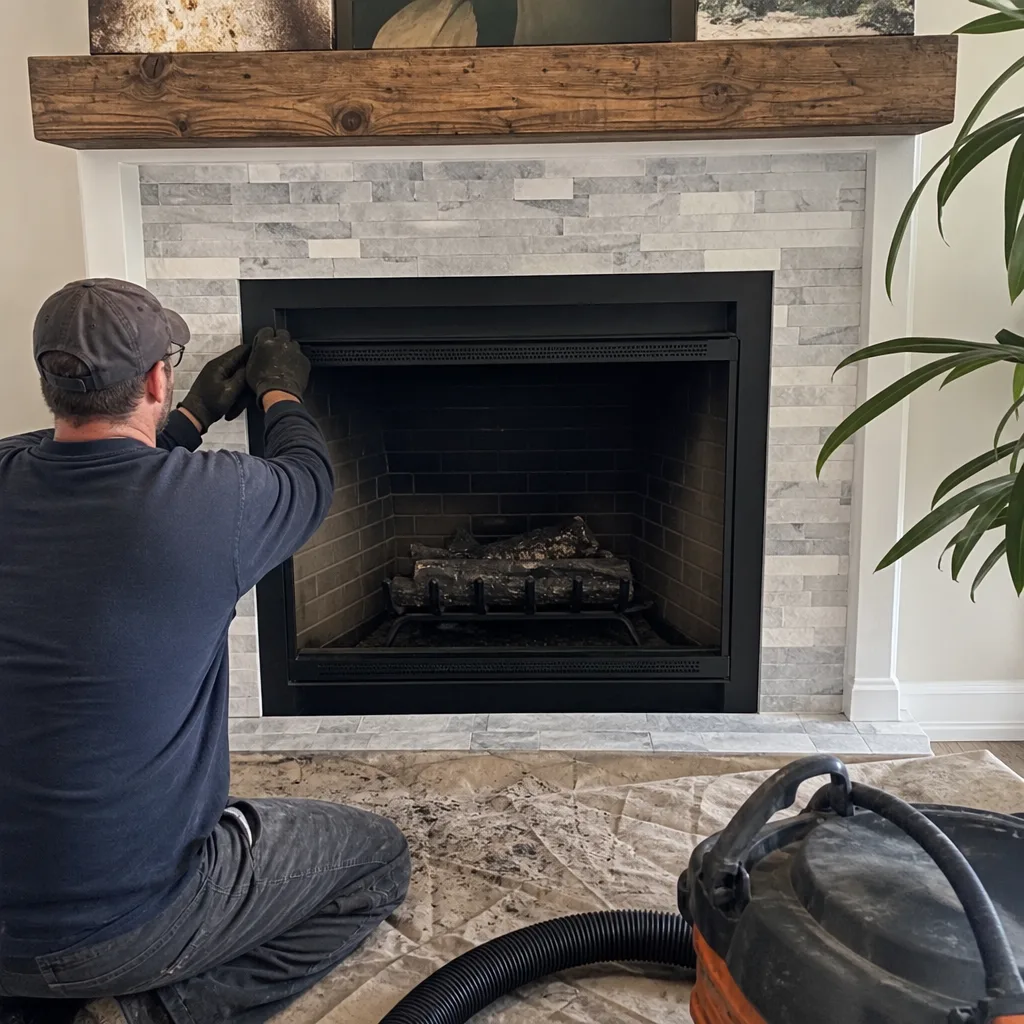 After
After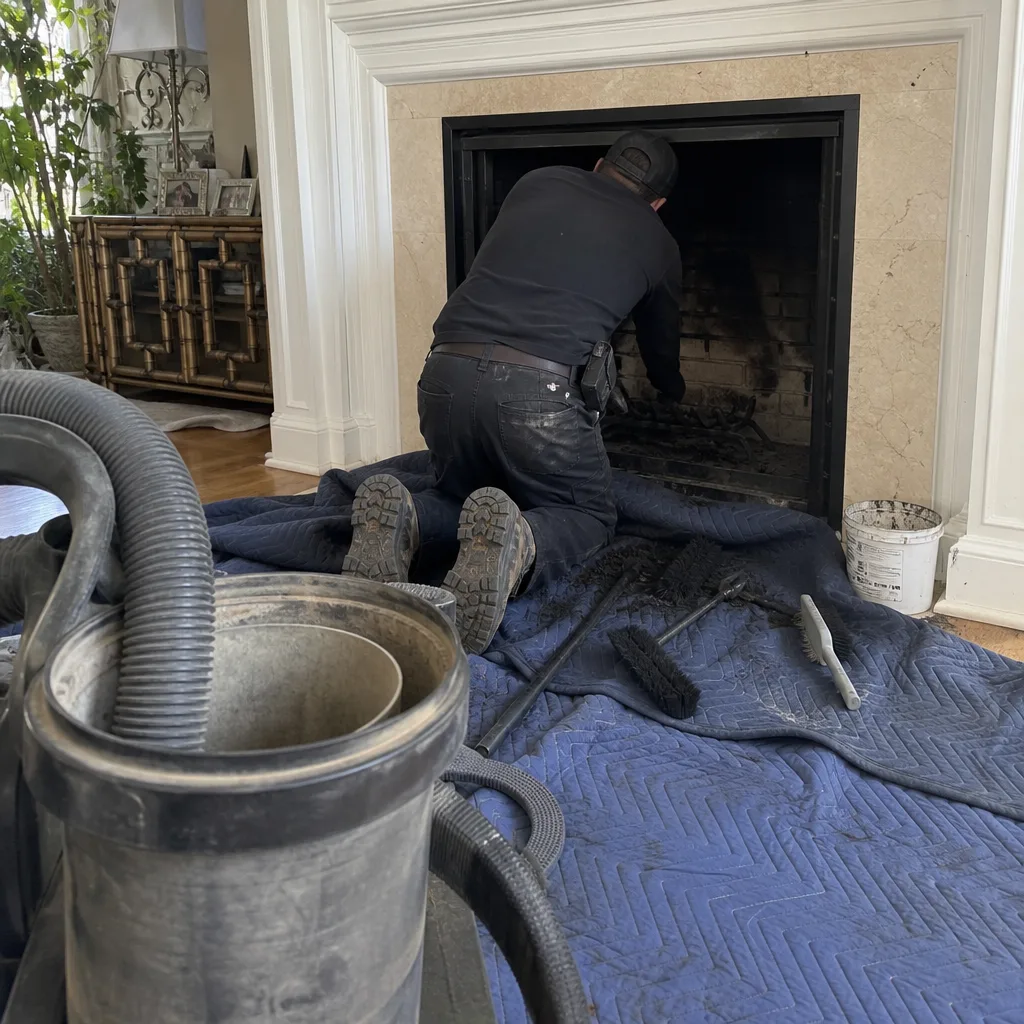 Before
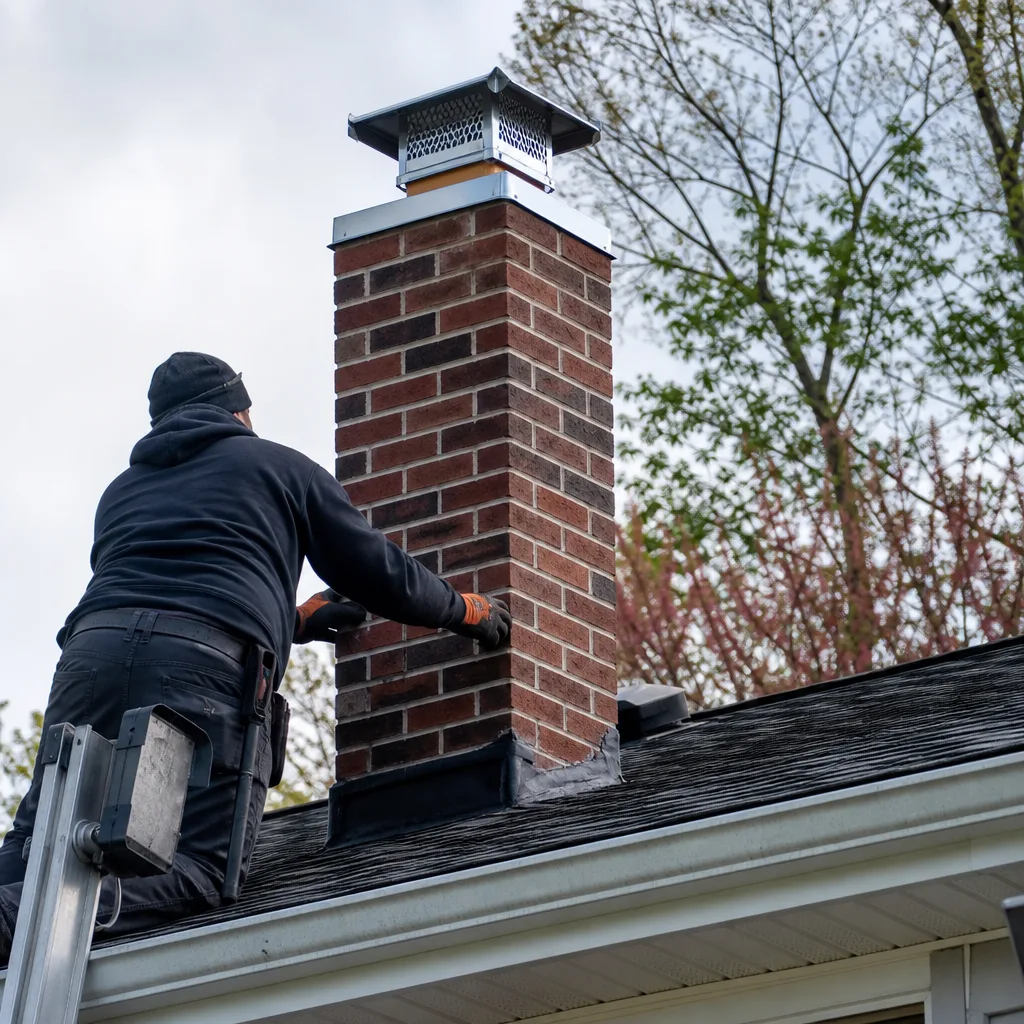 After
AfterFamco Flue Liner Replacement: The Coventry Owner’s Guide
If you have a Famco flue liner that’s cracked, rusted through, or letting flue gas into places it doesn’t belong, we stock Famco-compatible stainless steel liners and can usually have the replacement installed within a week of your call, often sooner. In Coventry, a full Famco flue liner replacement typically runs $2,100 to $3,800 installed, depending on liner length and whether we’re relining an existing chimney or rebuilding part of it. Most homeowners discover the liner has failed either during an annual sweep when our camera shows the damage, or because a rust stain shows up on the chimney exterior where the liner has eaten through.
Here’s the straight answer on how this works: we measure your existing Famco liner, identify the right replacement grade and diameter, pull the old one, and run a new one through. You get the camera footage before we touch anything, so you’re not taking our word for a problem you can’t see.
Which Famco Models This Applies To
Famco has made a lot of liner products over the years, and the replacement route depends on which one you’re dealing with. Most Coventry homes built in the 1980s through early 2000s that have a Famco liner are running either the standard 304 stainless or, less commonly, a 316 alloy where the original installer knew the furnace would produce acidic condensate. The 304 liners, honestly, are the ones we pull out most often in Tolland County because they’re more prone to rust-through in our humidity cycle: wet winters, dry summers, repeat.
Here’s the compatibility gotcha that catches people: Famco liners are measured by inside diameter, not outside. A “6-inch” Famco liner has a 6-inch interior. If you order an aftermarket liner based on the outside measurement of your old piece, you’ll end up a half-inch off and the tee connection won’t seat. We see that mistake once a month, usually after someone tried to save money on a mail-order part. The fix is an eight-inch tile breaker and an afternoon of swearing, or you can call someone who measures the way it’s supposed to be measured.
As far as OEM versus aftermarket for Famco specifically: the OEM liner is fine if your chimney is straight and the old liner comes out clean. But in most Connecticut chimneys there’s a dog-leg or a mortar squeeze or a liner that’s welded itself to the flue wall after thirty years. That’s when we’ll recommend a DuraFlex or HeatShield replacement instead, because those come in more flexible grades and handle offset runs better. We install both, and we’ll tell you if the Famco part is genuinely what you want or just what came with the house. We’re an independent shop, not affiliated with Famco, so we have no reason to push their name over something that fits your chimney better.
One more spec worth knowing: Famco’s standard wall thickness is about 0.005 inch on the 304 series. That’s thin enough that a brush that’s even slightly oversized, run on a power drill by someone too aggressive, will tear right through it. If your liner was “cleaned” by a handyman with a drill and scrape marks are visible on the wall, that’s often the beginning of the end.
Signs Your Famco Flue Liner Replacement Is Failing
Here’s what a failing Famco liner actually looks like from inside a house. None of these are subtle once you know what you’re looking at.
- Rust flakes or chips at the cleanout door. This is the big one. Stainless steel doesn’t flake unless the chromium layer has been compromised, which means water is getting in from a failed cap or the liner is simply at the end of its service life. If you see curls of rust in the ash pit, the liner is actively delaminating.
- Condensation streaks on the chimney exterior, especially below the shoulder. When a liner rusts through, flue gas exits into the void between liner and masonry, then cools against the cold clay tile and turns acidic. That acid works outward and stains the brick face. In Coventry’s freeze-thaw winters, the stain comes before the spalling.
- A smell like sulfur or rotten eggs near the chimney when the furnace runs. That’s not smoke; it’s flue gas leaking through a pinhole and pooling in the chase. It means combustion gases are not leaving the house the way they’re supposed to.
- White crust or efflorescence blooming on the interior flue wall above the liner top plate. Salt and mineral deposits form when hot gas meets trapped moisture. If the liner has a gap at the top connection, this shows up fast and usually gets mistaken for “normal.” It isn’t.
- Your furnace or boiler runtimes getting longer with no change in thermostat settings. A drafting problem from a partially collapsed liner means the appliance isn’t burning efficiently. It works, but it works hard, and your fuel bill notices.
Replacement Cost & What’s Included
Let’s talk numbers, because you deserve to know before you dial. In Coventry, a standard Famco flue liner replacement runs from about $2,100 for a single-story chimney with a straight run and easy access, up to $3,800 when we’re dealing with a two-story offset, a liner that’s fighting us on removal, or an old chase that needs masonry repair alongside the liner work. The materials themselves, liner plus top plate plus tee and cap, usually sit between $600 and $1,100 depending on diameter and alloy.
What’s included when we do the job: removal of the old liner, camera inspection and footage delivered to you, installation of the new liner with proper rain cap, a tee connection at the appliance if applicable, and insulation if the chimney needs it to keep draft velocity up. And the 90-Day Done Right Promise in writing, which means if something isn’t right, one call brings Wendell back. The price you get on the phone is the price on the invoice.
We also keep the standing offers going for every job: $40 off any repair over $200, no trip charge if you’re inside Tolland County, and 10% off always for seniors and veterans. If you’ve got a written estimate from another shop, bring it and we’ll give you a free second opinion on whether it’s honest. Most of the time, the national outfits quote a liner replacement and then “discover” masonry work once they’re on the roof. We don’t do that.
DIY or Call Us?
Here’s the honest split on a Famco flue liner replacement. What you can safely do yourself: check the cleanout door for rust flakes, look for staining on the chimney exterior, and run a flashlight up from below to see if the liner wall looks smooth or looks like it’s weeping. That’s where the DIY should end. Pulling a liner involves working on a roof, often around a chimney crown that’s already compromised, and wrestling a stainless flexible tube through an old clay flue while dealing with offsets takes training, the right pulling cone, and a second person who knows when to stop before the tee tears off in the middle of the run.
The liners themselves are not dangerous the way a garage spring is. What’s dangerous is the roof work and the possibility of a liner that kinks partway down, looks fine from the top, and then backdrafts carbon monoxide into the basement. If you want to inspect and document, go ahead. If you want the liner replaced so it works for another two decades, call (860) 743-7732 and we’ll get you on the schedule. Most Coventry jobs are done in a single day.
FAQs
In Coventry’s climate, a Famco 304 stainless liner realistically lasts 15 to 20 years before rust-through becomes a concern. That’s shorter than the 25-plus you might get in a drier state, and it’s because our winters cycle the liner through heat, cold, and condensation weekly. If you have a 316 alloy or a liner that’s been insulated, add five to seven years.
If the damage is isolated to a single pinhole near the top, a sleeve repair can sometimes buy you a few years, but the truth is that a rusting liner usually has more than one problem spot. We’ll camera it and show you exactly what we’re seeing; if it doesn’t need replacing yet, we’ll say so. That’s the whole point of the footage.
A straightforward Famco flue liner replacement in a single-story Coventry chimney takes four to six hours from setup to cleanup. A two-story offset or a liner that’s seized in the flue pushes it to a full day. Either way, we’re usually done in one visit and you’ll have heat and hot water back the same evening.
We stock Famco-compatible liner in the most common diameters, plus DuraFlex, HeatShield, and Gelco alternatives for when the chimney calls for something different. If we need a specialty size we’ll order it and you’ll know the lead time before we start. Call (860) 743-7732 for an exact quote on your setup.
Written by Wendell Pike, Owner, Top Hat Chimney at Top Hat Chimney, serving Coventry and nearby areas.