
Last updated September 10, 2026
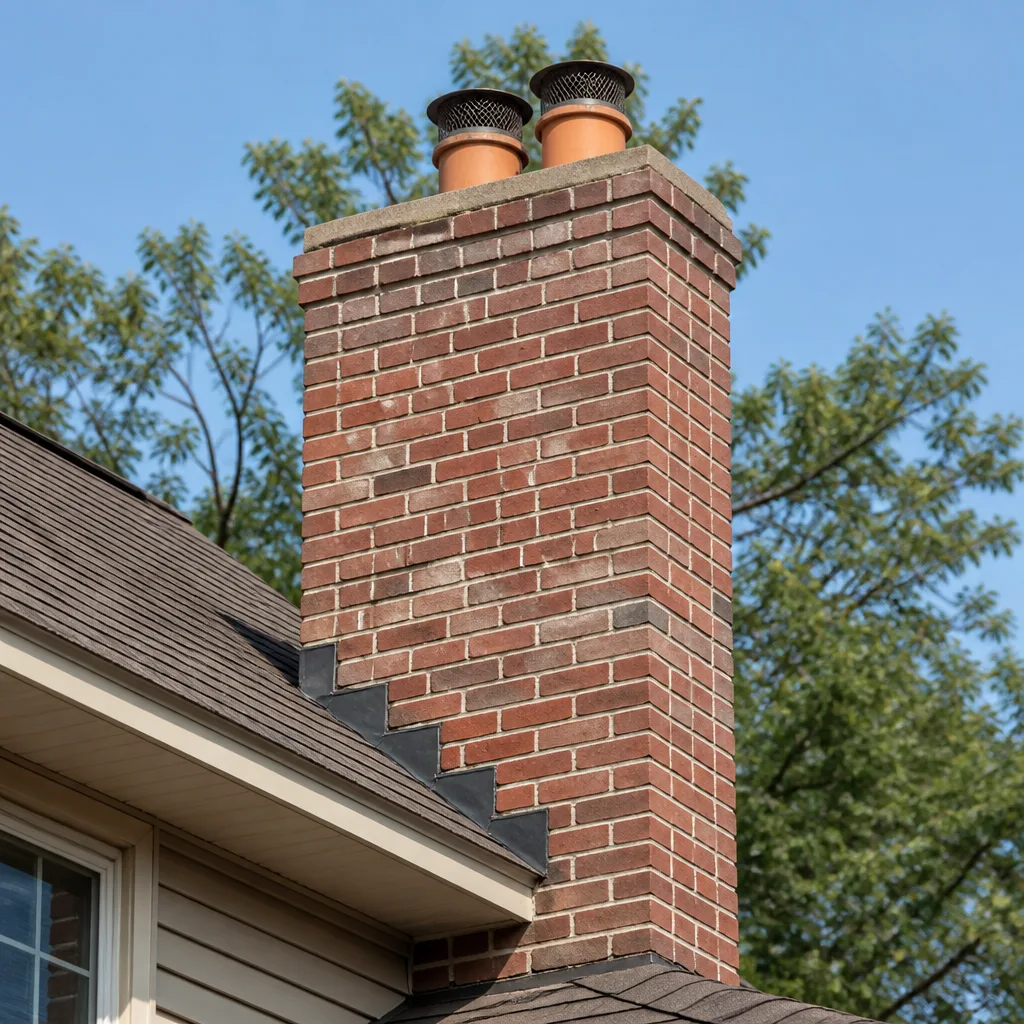
Level 1 sweep and inspection to the NFPA 211 annual standard - flue, crown, cap, and flashing checked and photographed
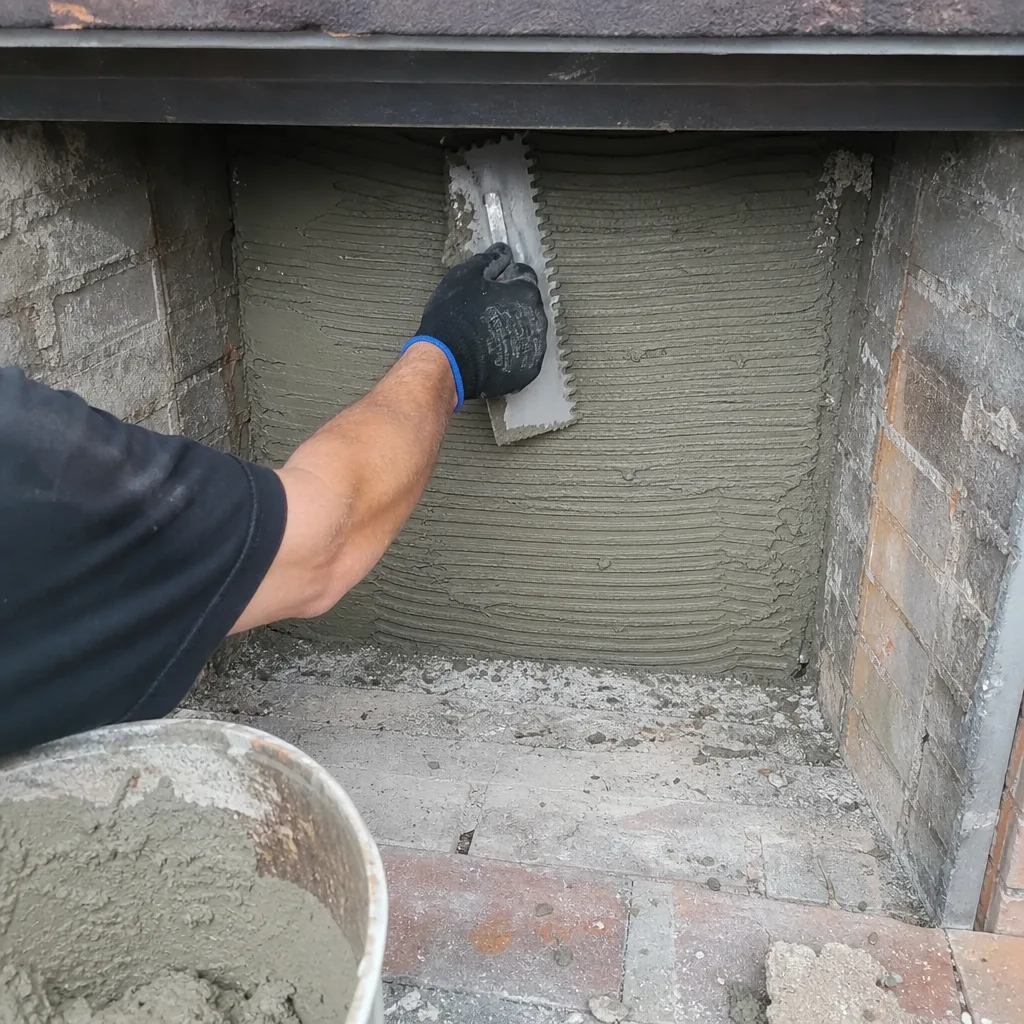
Chimney sweep logs do not sweep chimneys. They loosen some creosote - which then falls where a brush and vacuum still have to collect it.
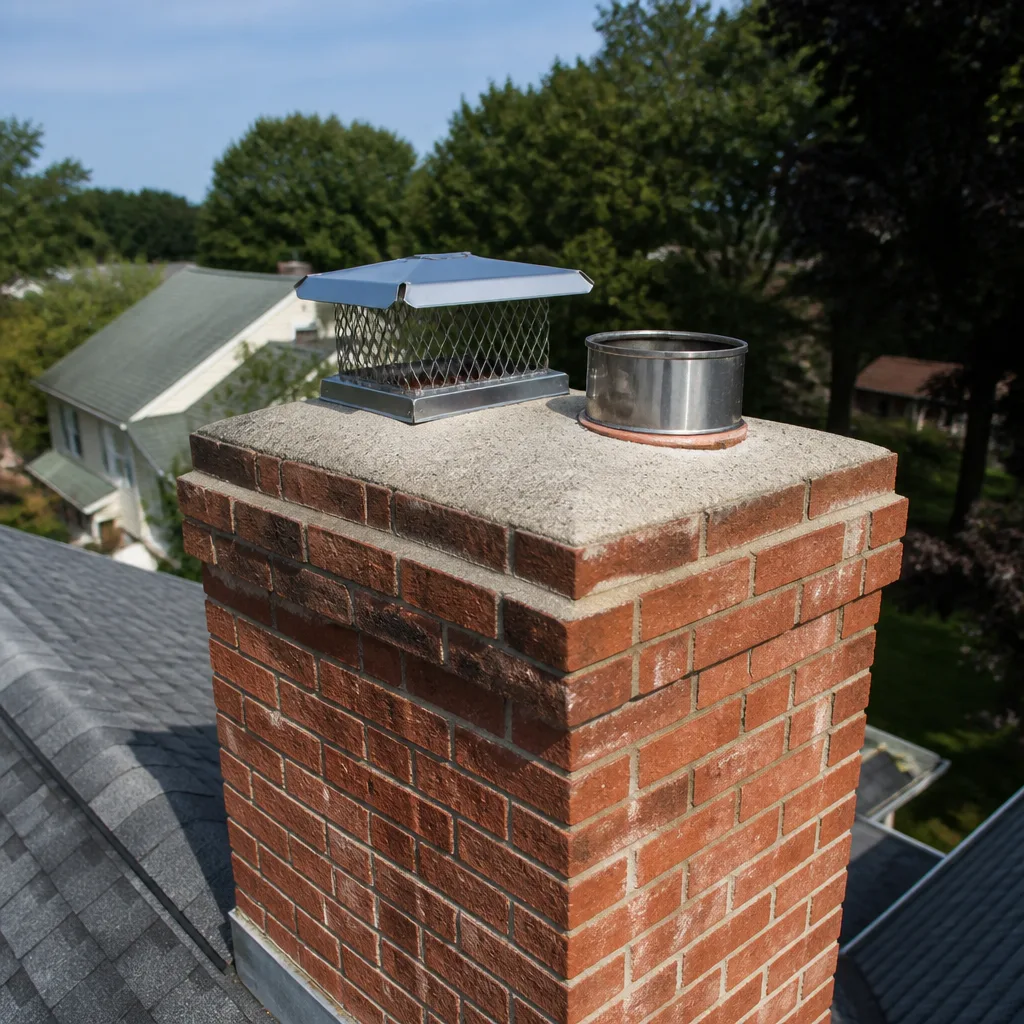
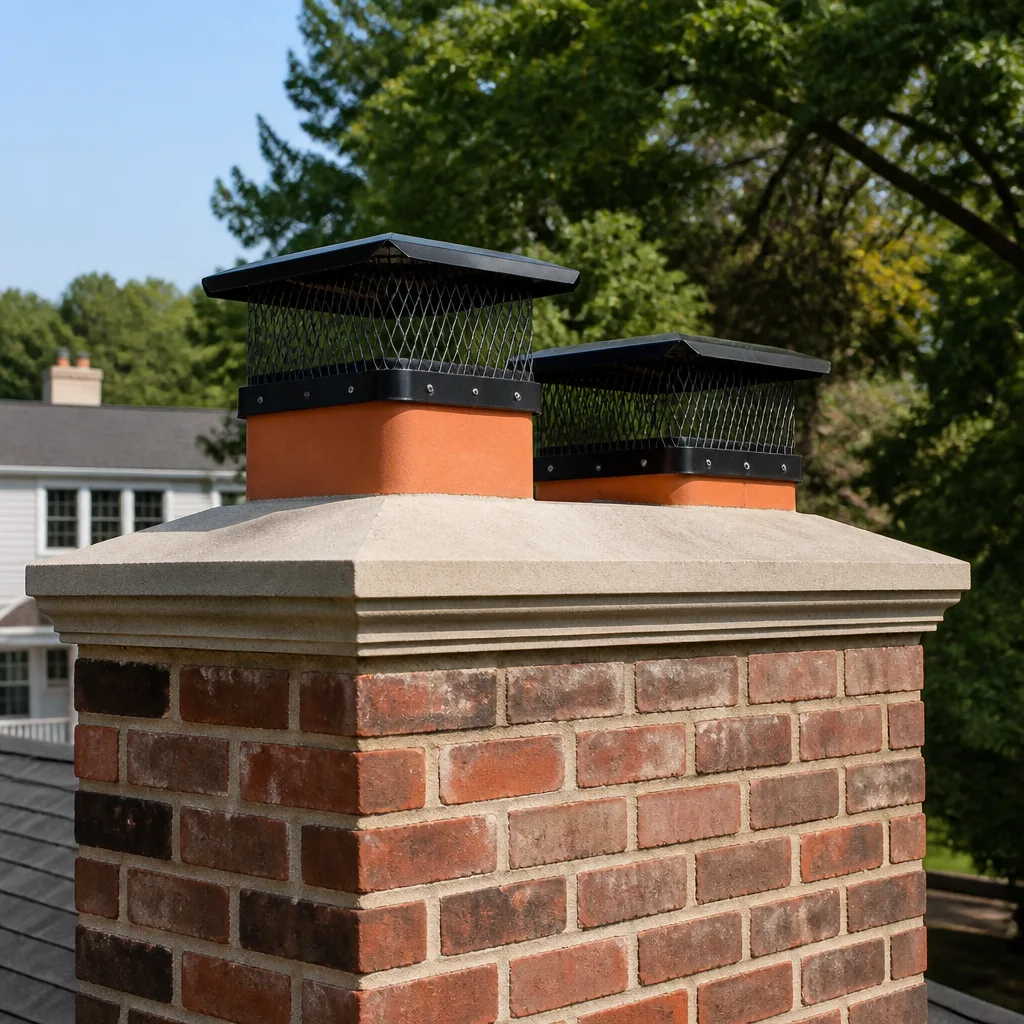
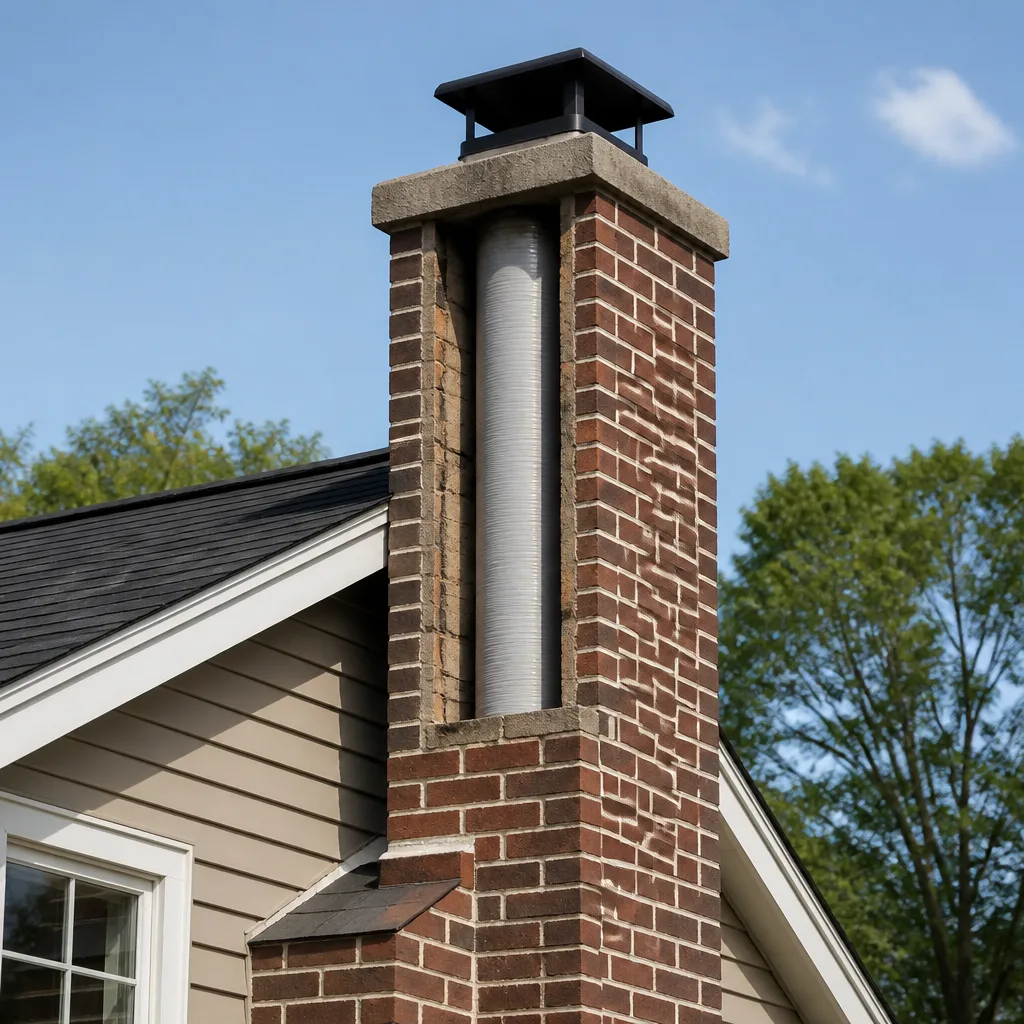
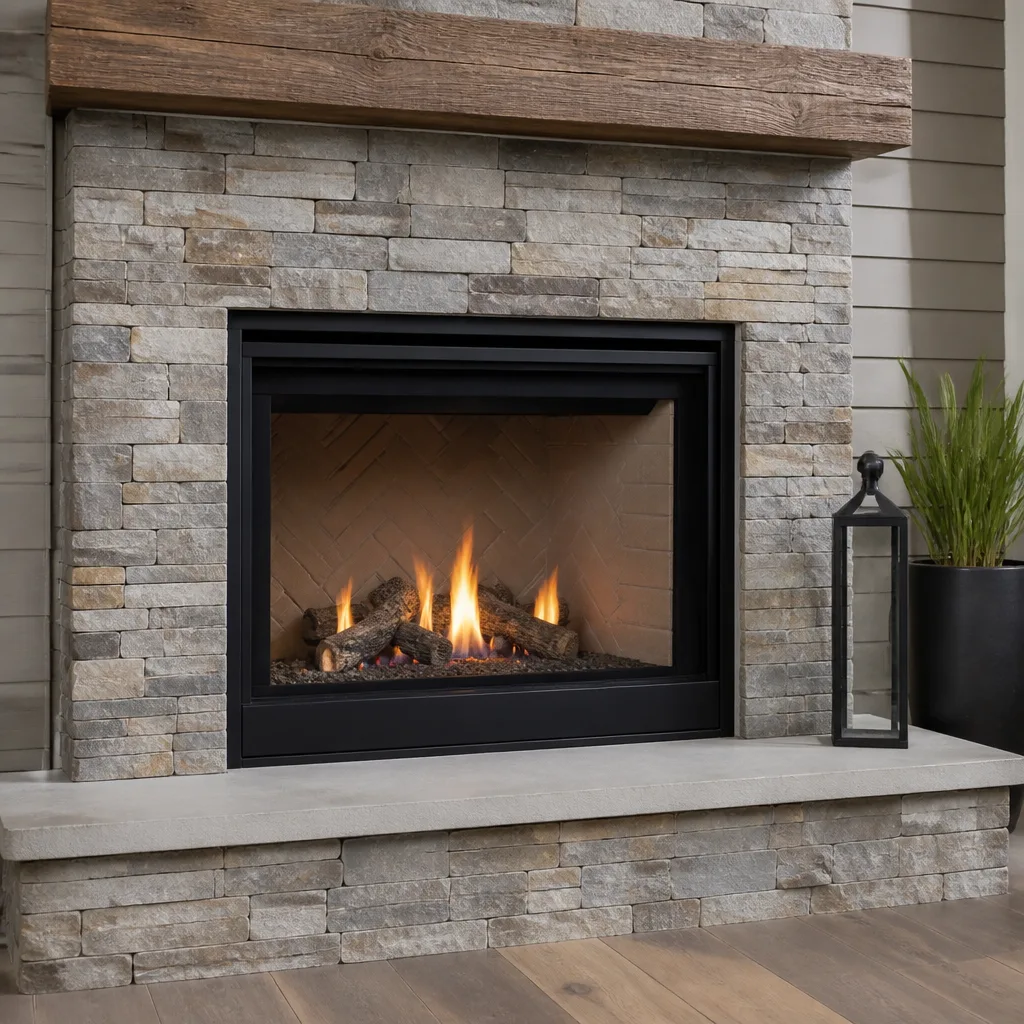
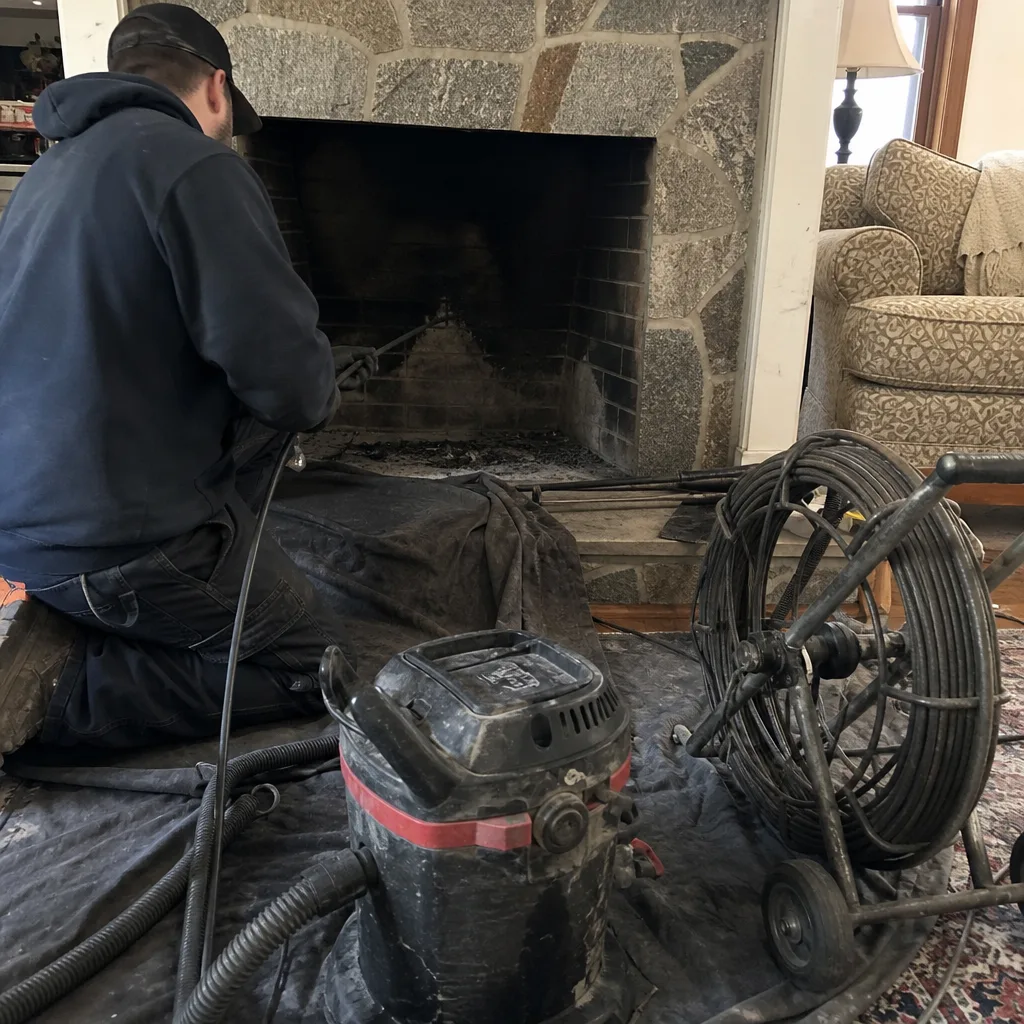 Before
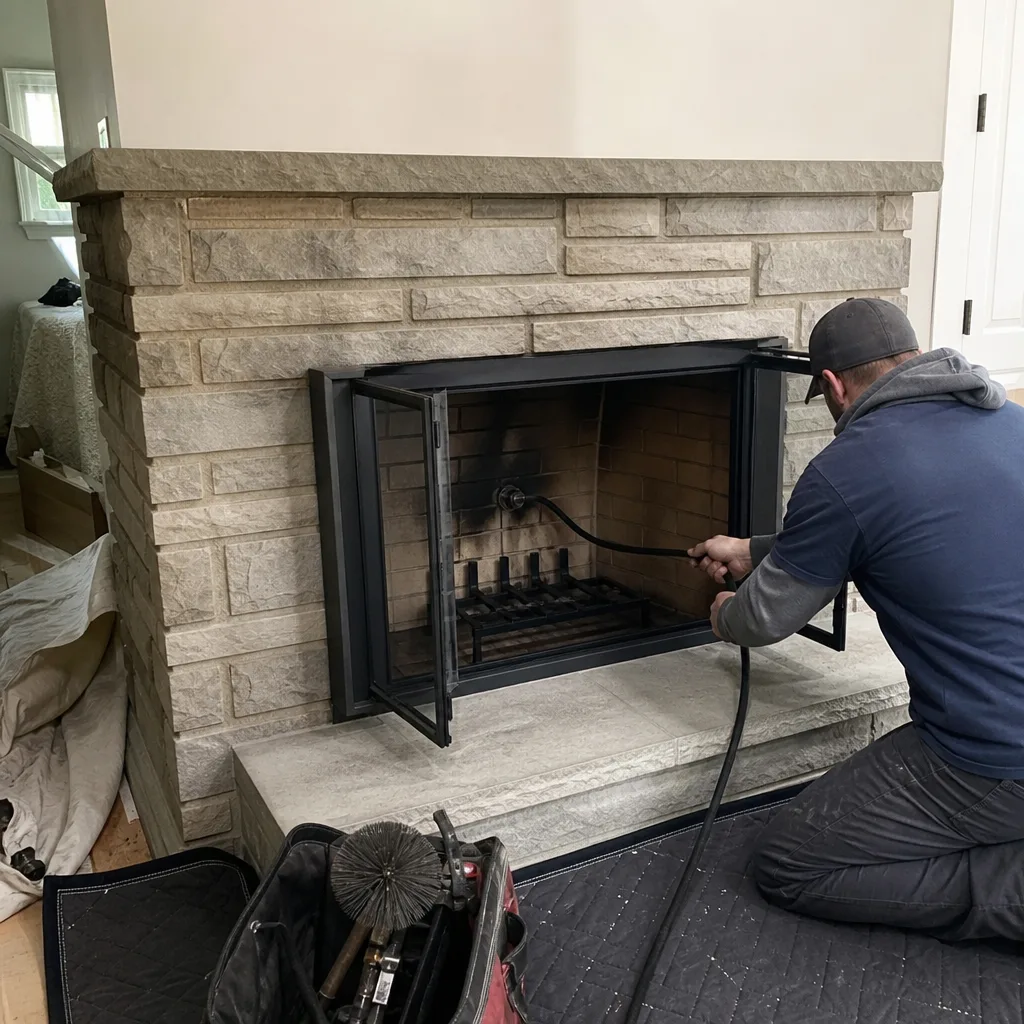 After
After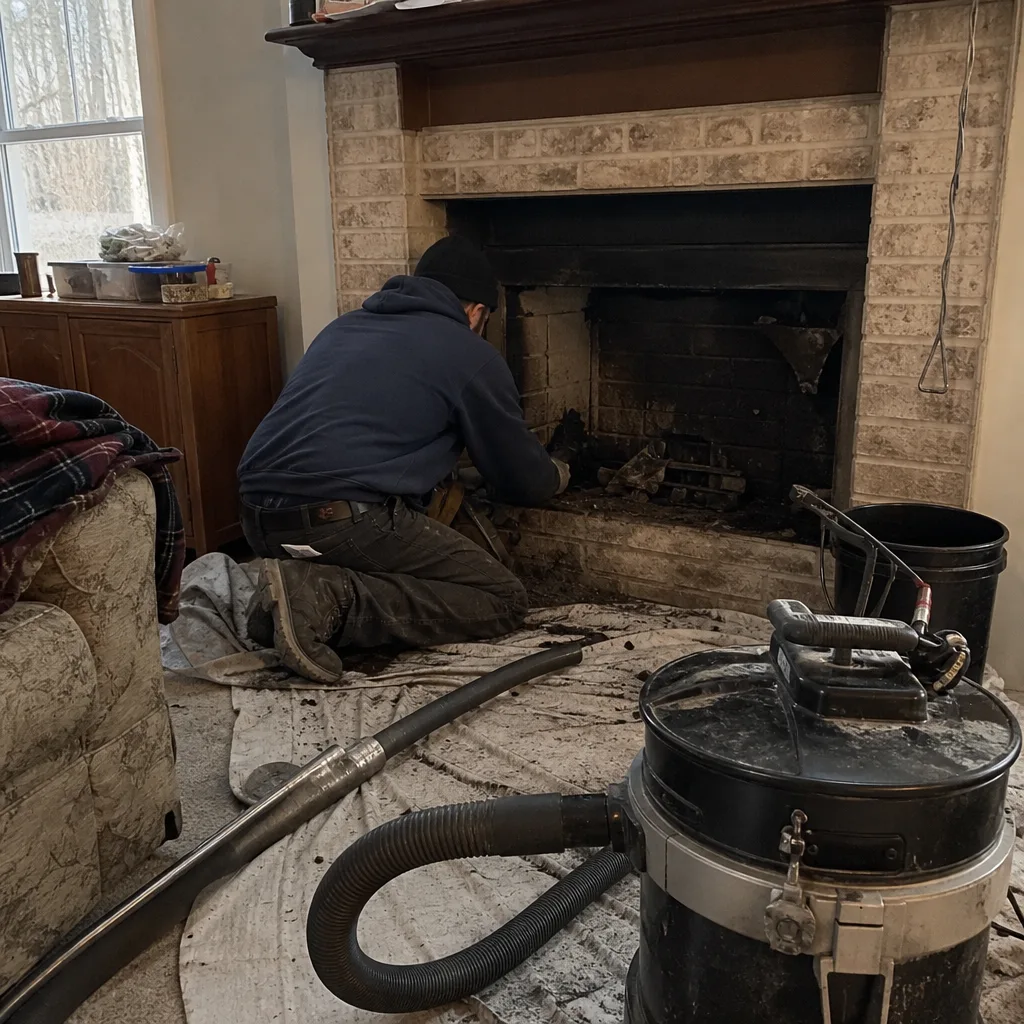 Before
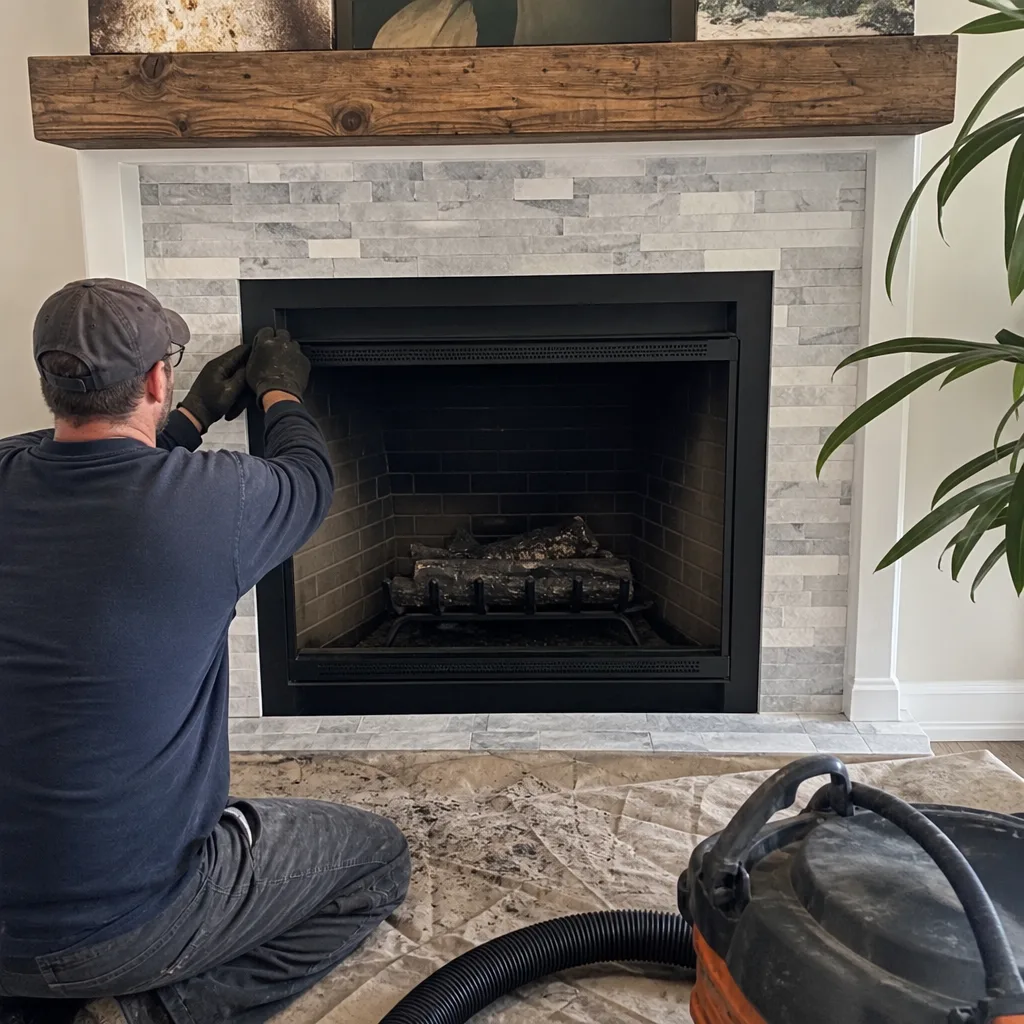 After
After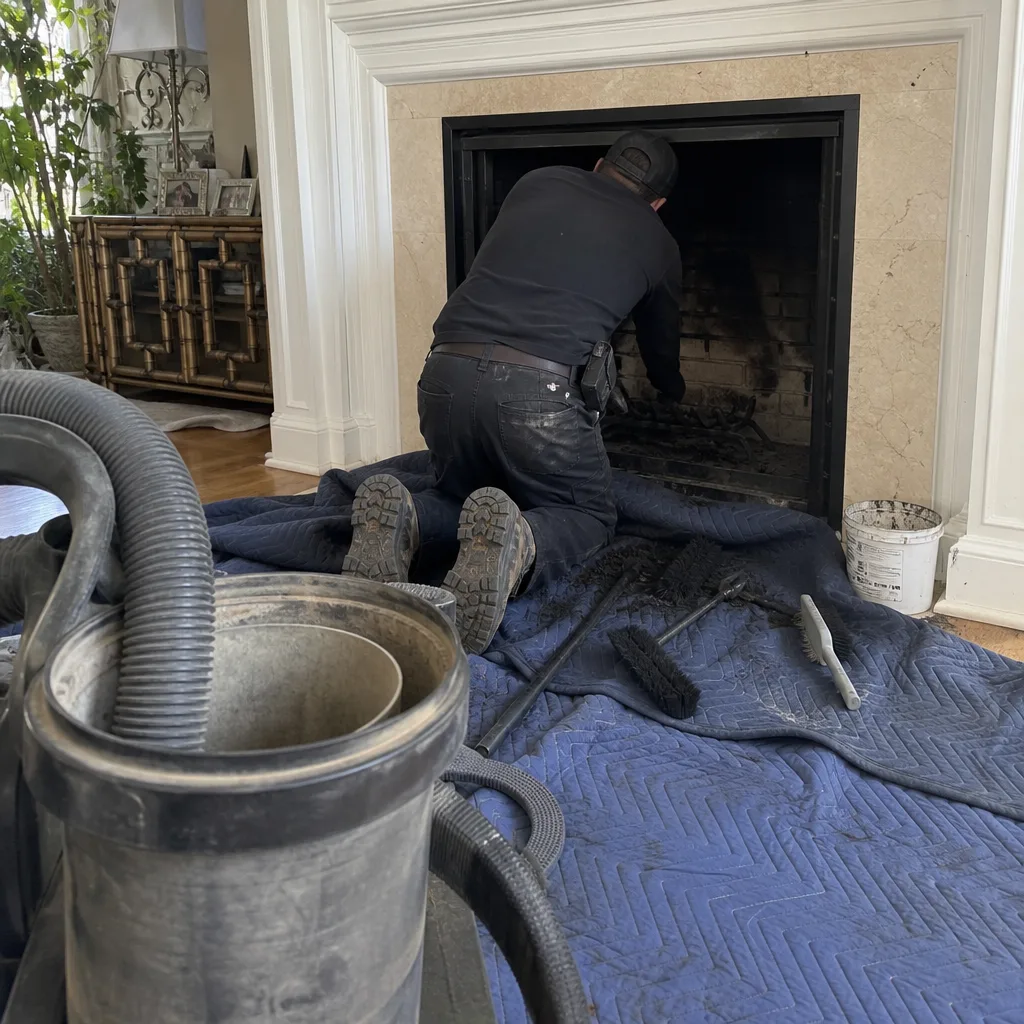 Before
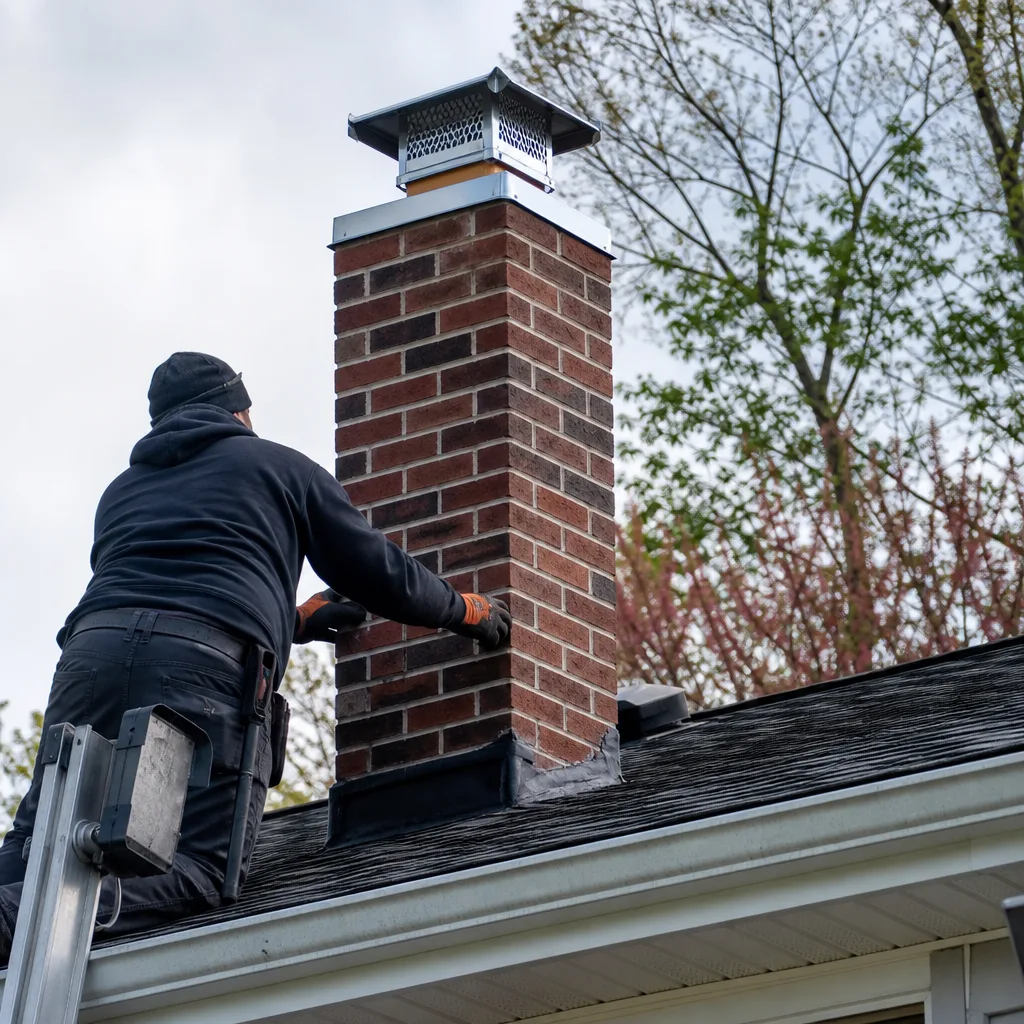 After
AfterThe Complete Guide to Chimney Cleaning in Coventry
Coventry has more wood-burning fireplaces per household than the Connecticut average, and a disproportionate share of them haven’t been touched since the previous owner lit a fire. That is not a guess. It is what we find when we pull into driveways off Route 31, up toward the lake, and back into the older colonials around Main Street. This guide is built around what actually happens inside Coventry chimneys, from the clay-lined colonials on the east side to the prefab inserts common in the newer subdivisions off Ripley Hill Road. For more guides & resources, visit our blog. If you know what you’re working with, you know what to ask for and what to skip. You’ll learn how a proper cleaning works, what it should cost here in town, what the creosote stages mean, and how to tell whether the sweep who just left your house actually did the job.
Quick Answer
A chimney cleaning in Coventry typically costs $189 to $349 for a standard open fireplace with a masonry flue, and a proper job includes a Level 1 inspection, a brush sweep of the full flue, and a written or photo-documented report. The work takes 45 to 90 minutes from setup to cleanup. Most Coventry homes need this once per year, burn or no burn, because wood from local lots, older flues, and off-season moisture each leave a mark that compounds quietly.
Table of Contents
- Why Coventry Chimneys Need Cleaning
- Old Flues and New Inserts: Know Which One You Have
- Creosote Stages: What You’re Looking At and What It Costs
- What a Cleaning Actually Includes
- What a Level 1 Inspection Covers (and What Gets Skipped)
- What ‘Done’ Looks Like at the End of a Legitimate Cleaning
- Why Local Green and Mixed Hardwood Causes the Worst Buildup
- How to Spot a One-Size-Fits-All Quote
- Common Mistakes to Avoid
- When to Call a Professional
- Frequently Asked Questions
- The Bottom Line
Why Coventry Chimneys Need Cleaning
Your flue doesn’t care how the fire looks. It cares how it breathes. In Coventry, we burn what the land gives us. That means oak, maple, ash, and a fair amount of birch cut from local woodlots, split late, and stacked maybe one season if we’re honest. Wet or green hardwood smolders more than it flames, and a smoldering fire sends a cool, heavy smoke up the flue. That smoke condenses on the inside of your chimney and hardens into creosote. Build up an eighth of an inch of it, and you have a chimney fire waiting on the next hot burn.
There is a second reason Coventry chimneys get dirty faster than homeowners expect. Our winters swing. A January thaw followed by a February freeze works on the masonry and the cap. Moisture gets into hairline cracks, freezes, expands, and opens them wider. That same moisture mixes with old creosote and turns it into a sticky tar that clings to the flue walls and will not come off with a basic brush. A chimney that was clean in October can be a hazard by March, not because you overused it, but because the weather worked on it.
Then there is the off-season. Chimneys break in the off-season too. Birds nest in open flues, squirrels chew through dampers, and spring rain pools behind a failing crown. When you light the first fire in November, whatever moved in during the summer is still there. Cleaning once a year, at the right time, catches all of this before it catches you.
Old Flues and New Inserts: Know Which One You Have
Most Coventry homes built before 1985 have a masonry chimney with a clay tile liner. These flues are typically 8 by 8 or 8 by 13 inches, and they were built to handle an open hearth fire burning seasoned hardwood at high heat. The clay tiles are durable, but they crack. Age, house settling, and freeze-thaw cycles eventually open gaps between tiles. When that happens, heat and gases can reach the wood framing around the chimney, and no amount of brushing will fix the real problem. You need a camera inspection to see what is happening behind the soot. We find cracked tile liners in roughly four out of every ten Coventry homes we inspect for the first time, almost always in homes that have not been swept in five or more years.
The newer subdivisions, especially those built after 1995, are a different animal. Those homes often have factory-built fireplaces with metal flues, usually 8 or 10 inches round. These systems are tested and listed as complete assemblies. They are safe when they are maintained, but they tolerate less heat abuse than a masonry chimney, and they cannot be swept with just any brush. A stiff wire brush will score the metal and shorten the life of the system. You need a poly brush or a correctly sized wire brush for the pipe diameter, and the sweep needs to know the manufacturer’s clearance requirements. A one-size-fits-all quote is a red flag precisely because these two systems need different tools, different techniques, and different inspection points. If a company quotes you $99 over the phone without asking what kind of fireplace you have, they are not planning to do the same job we do.
For homes with either system, the repair path runs through the same family of options. When a clay tile liner fails, we often rebuild it with a stainless steel liner, and Chimney Liner & Rebuild in Coventry walks through how that is done and what it costs locally. If the issue is a cracked crown or a rusted cap letting water into either kind of chimney, Chimney Cap & Crown in Coventry covers the repair route. These are companion jobs to a cleaning, and a good sweep will tell you plainly whether you need them or not.
Creosote Stages: What You’re Looking At and What It Costs
Creosote comes in three stages, and the difference between them is the difference between a $200 brush job and a $1,500 liner rebuild. First-degree creosote is a light, dusty, dark-brown film. It brushes off easily. This is what you should expect to find after a year of burning properly seasoned wood. First-degree creosote is a brush job. It is what a standard cleaning is designed to remove.
Second-degree creosote is flaky and crusty, like burnt cereal. It has some thickness to it and does not come off with a standard hand brush. It requires a stiffer approach, often rotary rods and chains, and it adds $100 to $200 to the price of the job because of the time and the additional passes. Second-degree buildup usually means the firewood is too wet, the fire is being damped down too much, or the flue was not cleaned last year.
Third-degree creosote is a glaze. It is shiny, black, and looks like glass or tar poured down the inside of the flue. It burns hot and long, and it is nearly impossible to remove with a brush alone. In many cases, the only real fix is a chemical treatment followed by mechanical removal, or replacement of the liner if the glaze is too thick or the liner behind it has cracked. Third-degree creosote is a glaze, and catch it early or pay for the rebuild. In Coventry, we see third-degree glaze most often in chimneys fed by green oak and mixed hardwood from local lots, burned low and slow for overnight heat. The fireplace that smolders from 10 p.m. to 6 a.m. makes glaze faster than any other pattern.
Here is the cost range for each stage in the Coventry market, based on a standard single-flue chimney with good rooftop access:
- First-degree: $189 to $279 standard sweep and Level 1 inspection
- Second-degree: $249 to $399, including rotary cleaning and additional passes
- Third-degree: $399 to $800 for chemical treatment and intensive mechanical removal, if the liner is still sound
- Third-degree with cracked liner: $1,200 to $4,500 depending on liner length, material, and access
These are ranges, not quotes. Every chimney is its own animal, and the number on your invoice should come from what the camera sees, not from a menu that was filled out before the sweep arrived.
What a Cleaning Actually Includes
A legitimate chimney cleaning in Coventry is not just running a brush up the flue. It is a sequence of steps that protect the house, document the condition, and leave you knowing exactly where you stand. Here is what we do on every job, in order:
- Protect the home. Drop cloths go down around the fireplace and across the floor path to the door. The fireplace opening is sealed with a vacuum shroud before any brushing starts. The house should look the same when we leave as when we arrived.
- Check the damper and firebox. The sweep opens the damper fully and looks for warping, rust, or debris blocking the throat. The firebox brick and mortar get a visual once-over for cracks or loose joints.
- Run the camera up the flue. Before brushing, we send a camera up to document the condition. This shows us the creosote stage, any cracked tiles, any gaps, and any animal nests. This is the step that separates a real inspection from a quick brush-and-go.
- Brush the full flue length. The correct brush for the flue size and material is run from the top down or bottom up, making full-length passes until the walls are clean. For glazed creosote, rotary cleaning rods with chains do the work.
- Clean the smoke shelf and smoke chamber. The smoke shelf is where creosote and debris pile up behind the damper. This area gets brushed and vacuumed, not skipped. A dirty smoke shelf will re-stink the house every time it rains.
- Remove debris from the firebox. The soot and creosote from the sweep are vacuumed out and bagged. Nothing gets left for you to clean up.
- Inspect the cap, crown, and flashing on the roof. The sweep goes on the roof to check the cap for rust or blockages, the crown for cracks, and the flashing for any gaps that let water in.
- Document what was found. You get a written report, and on our jobs, the camera footage with a plain-English verdict. Every time, no exceptions. If we recommend a repair, you see the footage that shows why.
That is a cleaning done right. If you are being quoted $89 and the guy never goes on the roof, never mentions the smoke shelf, and hands you nothing in writing, you did not get a cleaning. You got a brush waved in the general direction of your flue.
What a Level 1 Inspection Covers (and What Gets Skipped)
The National Fire Protection Association defines three levels of chimney inspection, and a standard cleaning in Coventry should include a Level 1. That is the baseline. A Level 1 inspection covers the readily accessible portions of the chimney: the firebox, damper, visible flue interior, cap, crown, and flashing. It is visual and it is meant to confirm the chimney is structurally sound and free of obstructions. This is what you receive by default on a standard sweep, and it is adequate when nothing has changed about how you use the fireplace.
What gets skipped, unfortunately, is the part sweeps do not want to do when they are running behind schedule on a cold Saturday in November: the camera documentation, the smoke chamber check, and the roof-level look at the crown. Some sweeps will do the brush, shine a flashlight up the flue, and call it inspected. You cannot see a cracked sixth-course clay tile with a flashlight. You cannot see a failing crown from the living room. The camera footage and a plain-English verdict are the only way to know what you actually paid for.
A Level 2 inspection is required when the system has changed: a new appliance, a new liner, a change in fuel type, or a property sale. It adds more camera documentation, usually from both the top and bottom, and it takes longer. In Coventry, a Level 2 inspection without a cleaning runs $249 to $399. A Level 3 is invasive, often involving demolition to access hidden areas, and it is reserved for when a Level 2 finds a serious problem or a chimney fire has occurred.
If you are buying a house in Coventry, insist on a Level 2 inspection before closing. The previous owner may tell you the chimney was “just cleaned last year.” Ask for the report. If there is no report, there was no cleaning worthy of the name.
What ‘Done’ Looks Like at the End of a Legitimate Cleaning
When the sweep packs up and heads down the driveway, you should be able to answer three questions without guessing. First, what did the flue look like before and after? You should have camera stills or video showing the creosote stage before the brush and the clean flue after. You should be able to see the difference with your own eyes. Second, what is the condition of the liner, cap, and crown? You should have a written note or a verbal report that matches what you saw in the footage. Third, what should you do next? Burn drier wood, replace a cap, schedule a liner rebuild next summer, or simply burn another season. A sweep who cannot answer those three questions did not do the job.
Beyond the paperwork, there are visible finishes you can check yourself. The firebox floor should be free of fallen debris. The damper should open and close without scraping. The area around the fireplace should be as clean as it was before the job, with no soot on the hearth or the floor. The brush and vacuum belong to the sweep. The mess does not.
The disposal bag goes home with the sweep. In Coventry, creosote is considered a household waste item and should be disposed of properly, never dumped in the woods behind the house. If the sweep leaves the bag for you to haul off, that tells you something about how they treat the rest of the job. Ask anyone on your street who has had a good sweep. They will tell you the good ones take everything with them, down to the last paper towel.
Why Local Green and Mixed Hardwood Causes the Worst Buildup
We have a specific problem here in Coventry, and it starts at the woodpile. A lot of us cut our own firewood or buy it green from a local lot in August, then try to burn it in December. Green oak is the worst offender. Oak holds more moisture than almost any other hardwood, and it seasons slowly, sometimes two full years. Burn it after six months and you are burning water. The fire has to work twice as hard to boil off the moisture, which means lower flue gas temperatures, which means more condensation, which means faster creosote buildup. It is that simple.
Mixed hardwood from local lots presents a different issue. The loads are often a grab bag of species with different densities and moisture contents. One log is dry maple, the next is half-wet birch, the next is a chunk of ash that got rained on. A fire that swings between hot and slow all evening deposits creosote in layers, and layered creosote is harder to remove than a uniform coating. The fix is not complicated. Buy your wood a year ahead if you can. Stack it off the ground, cover the top, leave the sides open, and test a split with a moisture meter before you burn it. Under 20 percent is the target. Over 25 percent, and you are feeding the creosote factory regardless of how good your sweep is.
This is the most common cause of second-degree and third-degree buildup we find in Coventry fireplaces that are only a year or two past their last cleaning. The homeowner is not lazy. The wood is just wet. And the problem is fixable for the price of a moisture meter and a better stacking spot.
How to Spot a One-Size-Fits-All Quote
A chimney cleaning in Coventry should never be quoted the same for a 1930s clay-lined colonial and a 2015 prefab insert. The tools are different, the access is different, and the risks are different. When a company advertises one flat rate for every chimney, what they are really telling you is that they will do the same minimum amount of work no matter what they find, or they will make up the difference with add-ons once they are standing in your living room. Neither is a position you want to be in.
Here is what a fair quote should include, in writing, before a tool comes off the truck:
- The type of fireplace and flue you have, based on the information you gave them
- The work included: brush sweep, smoke shelf cleaning, cap and crown visual, Level 1 inspection
- The total price, with no asterisks about “additional charges may apply”
- What would increase the price and why: glazed creosote, animal removal, a chimney fire history, or excessive height
- What documentation you will receive: written report, camera photos, or both
A company that cannot or will not provide those details over the phone is not a bargain. It is a gamble. And in a chimney, the price of losing that gamble is a house fire. No-hassle upfront pricing, where the number on the phone is the number on the invoice, is not a marketing phrase. It is the minimum standard. If you want a deeper look at how a cleaning should be performed and priced, Chimney Cleaning & Sweep in Coventry has the full breakdown.
You can also check any quote against the broader reputation of the company. Top Hat Chimney home lays out exactly who we are, where we are, and what we stand behind. A local name with a published address and a license number is worth more than any coupon.
Common Mistakes to Avoid
- Skipping the cleaning because you “only burned a few fires.” Creosote builds by the burn, and a few wet-log fires can deposit more than a full season of dry wood. The flue does not reset itself in June.
- Hiring the cheapest quote without asking what it includes. In Coventry, a $79 special usually means no roof inspection, no smoke chamber work, and no documentation. The expensive part is what gets missed.
- Burning green wood to save money. It costs you twice: once at the woodpile and once at the next cleaning when the sweep pulls out a second-degree crust that needs rotary work.
- Leaving the damper closed during the off-season without a cap. A closed damper traps moisture and odors. A missing cap lets in rain, birds, and squirrels. Neither is good, and both are found on Coventry chimneys every spring.
- Assuming the previous owner maintained the chimney. We have cleaned Coventry chimneys that had not been touched since the Reagan administration. The seller’s memory is not a maintenance log.
- Not documenting the work. If you ever sell the house, the buyer will ask about the chimney. A report with camera footage is the difference between a smooth closing and a renegotiated price.
- Waiting until November to book the cleaning. Every sweep in Coventry is booked solid the week after the first cold snap. The best time to schedule is August or September, when the flue is dry and the schedule is open. Once a year, burn or no burn.
When to Call a Professional
Chimney cleaning is not a DIY project, and the reasons are specific. You cannot see the upper third of the flue from inside the firebox. You cannot safely work on a Coventry roof without proper ladder setup and fall protection. You cannot remove third-degree glaze without rotary equipment that most homeowners will never own. And you should not put yourself inside a flue handling creosote dust without a respirator and proper containment.
Call a professional if you have not had the chimney cleaned in over a year, if you smell a campfire odor in the house during humid weather, if you see shiny black glaze on the flue walls above the damper, if you hear animals in the chimney, or if you are buying a home in Coventry and need an inspection before closing. Not sure who to trust? See How to Hire a Chimney Cleaning Contractor in Coventry: A Step-by-Step Guide. Top Hat Chimney offers free estimates in Coventry, and the camera footage and a plain-English verdict come with every job. Call (860) 743-7732 to schedule.
Frequently Asked Questions
A standard chimney sweep and Level 1 inspection in Coventry runs $189 to $279 for a first-degree creosote condition with a single flue and standard roof access. Second-degree buildup adds $50 to $120, and third-degree glaze ranges from $399 to $800 if the liner is still sound. The exact price depends on the flue type, height, and what the camera shows before we start. Call (860) 743-7732 for a free estimate with the price locked before any work begins.
Once a year, burn or no burn. The National Fire Protection Association and every major chimney safety organization recommend an annual inspection and cleaning as needed. In Coventry, the off-season moisture and the local green wood issue make once a year the practical minimum, even for fireplaces that only get a dozen burns per season. Call (860) 743-7732 to get on the calendar before the fall rush.
You need a new liner only if the camera footage shows it, and on our jobs, you see the footage with your own eyes before anyone quotes a rebuild. Cracked clay tiles, gaps between tiles, or glaze so thick it cannot be safely removed are the three conditions that warrant a liner. If the liner is intact and the glaze is removable, you do not need one. Call (860) 743-7732 for a straight answer on what you actually need.
The creosote keeps building. A chimney fire can ignite without warning, often with a loud roar that sounds like a freight train in the flue, and it can spread into the house through cracked tiles or framing. Even without a fire, a blocked or restricted flue sends carbon monoxide into the living space, and you cannot smell it. The annual cleaning is not about the fireplace looking nice. It is about the house staying standing. Call (860) 743-7732 to schedule a cleaning before the burning season.
No. Factory-built fireplaces have metal flues that require poly brushes and specific techniques to avoid scoring the metal. The clearances and inspection points are different from a masonry chimney. This is why a one-size quote is a red flag in Coventry, where the housing stock runs the full range from 18th-century stone to modern prefab. Call (860) 743-7732 and tell us what you have. We will quote it correctly the first time.
Late summer to early fall, from August through September. The flue is dry, the schedule is open, and you beat the November rush when every sweep in town is booked three weeks out. A summer cleaning also catches any bird nests or moisture damage from the spring rains before the first fire. Call (860) 743-7732 in August and you will not be waiting in the cold.
The Bottom Line
A chimney cleaning in Coventry is not a luxury add-on or a scare-tactic upsell. It is an annual maintenance item on the same list as the septic tank, the roof, and the furnace. The job should be done with the correct tools for the flue type, documented with camera footage, and priced upfront without surprises. The creosote stages tell you exactly where you stand: first-degree is a brush job, second-degree needs rotary work, and third-degree is a glaze that may end in a liner rebuild. Burn seasoned wood, book the cleaning before the fall rush, and never accept a quote that does not ask what kind of chimney you have. Top Hat Chimney has been serving Coventry since 1999, and every job gets the camera footage, the plain-English verdict, and the 90-Day Done Right Promise in writing. Call (860) 743-7732 for a free estimate.
Written by Wendell Pike, Owner at Top Hat Chimney, serving Coventry since 1999.