
Last updated September 10, 2026
Level 1 sweep and inspection to the NFPA 211 annual standard - flue, crown, cap, and flashing checked and photographed
Chimney sweep logs do not sweep chimneys. They loosen some creosote - which then falls where a brush and vacuum still have to collect it.
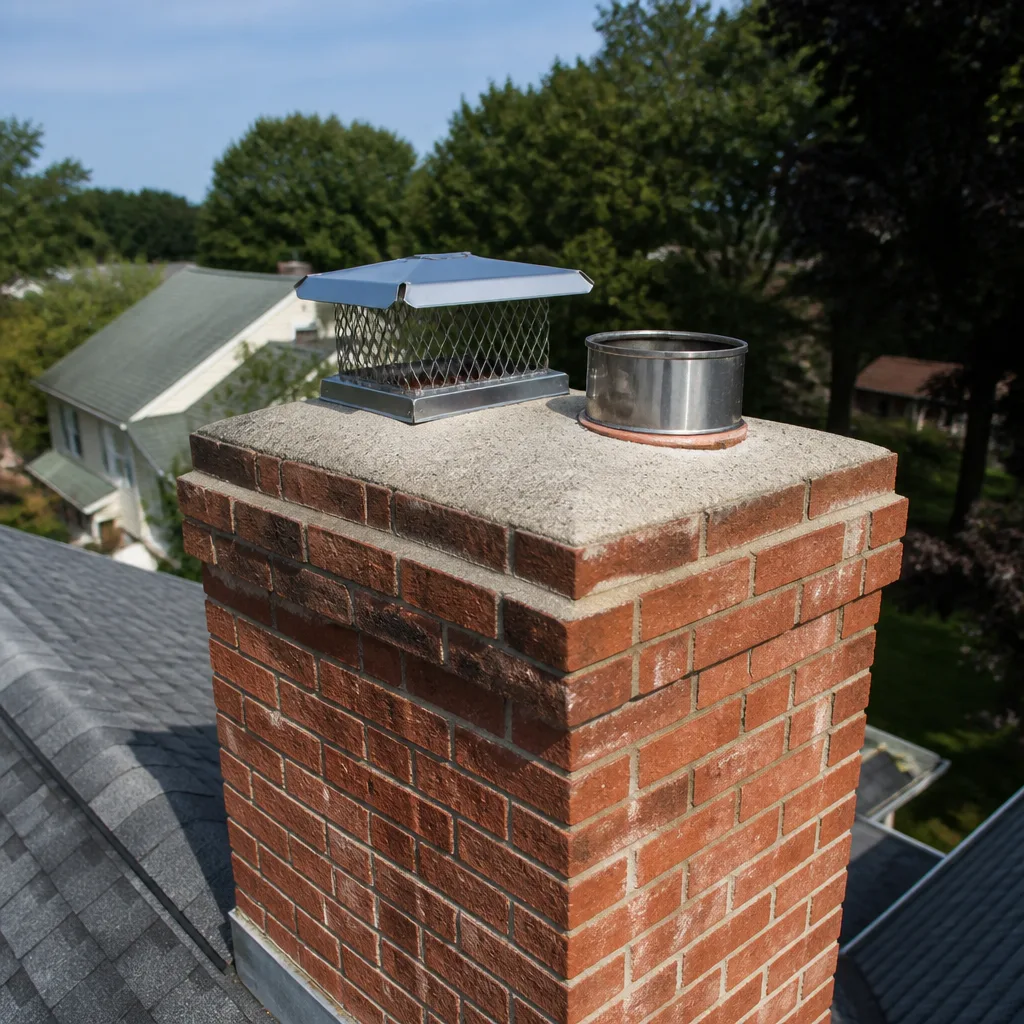
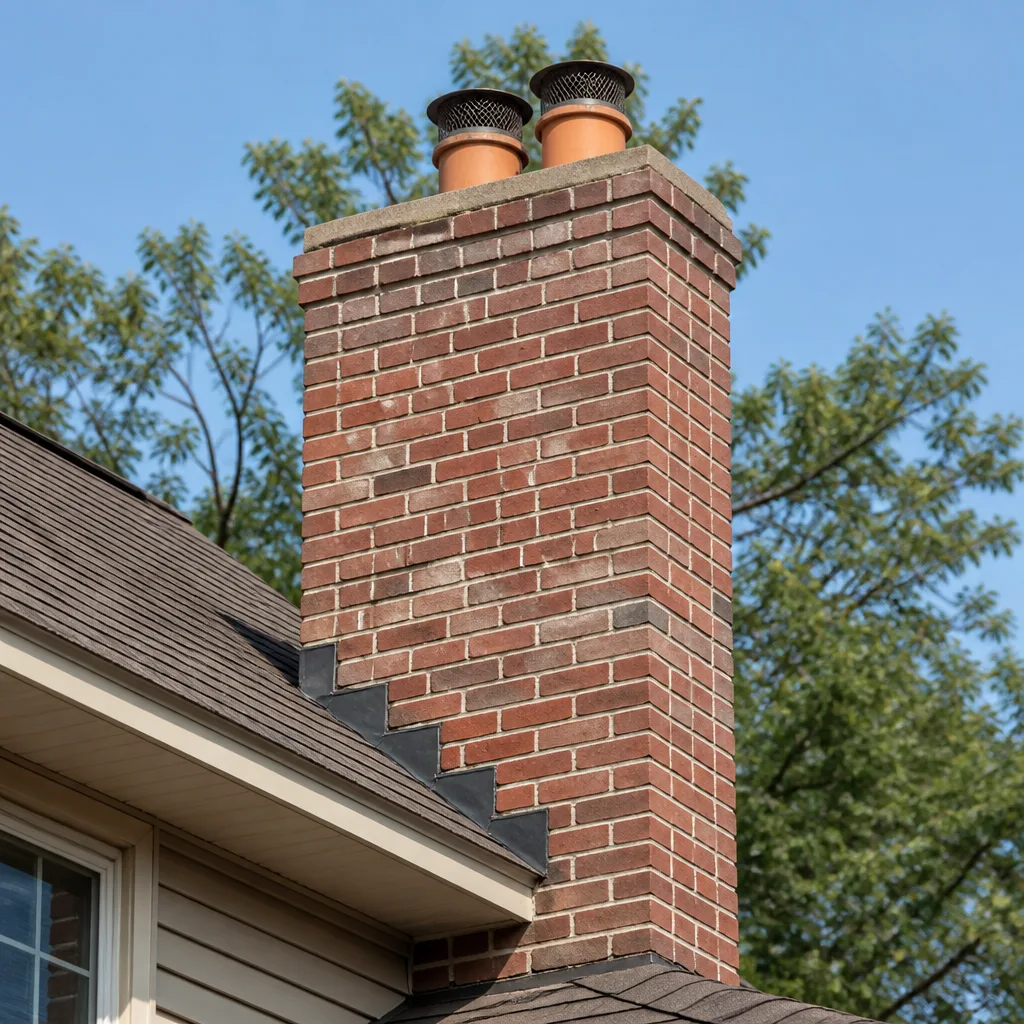
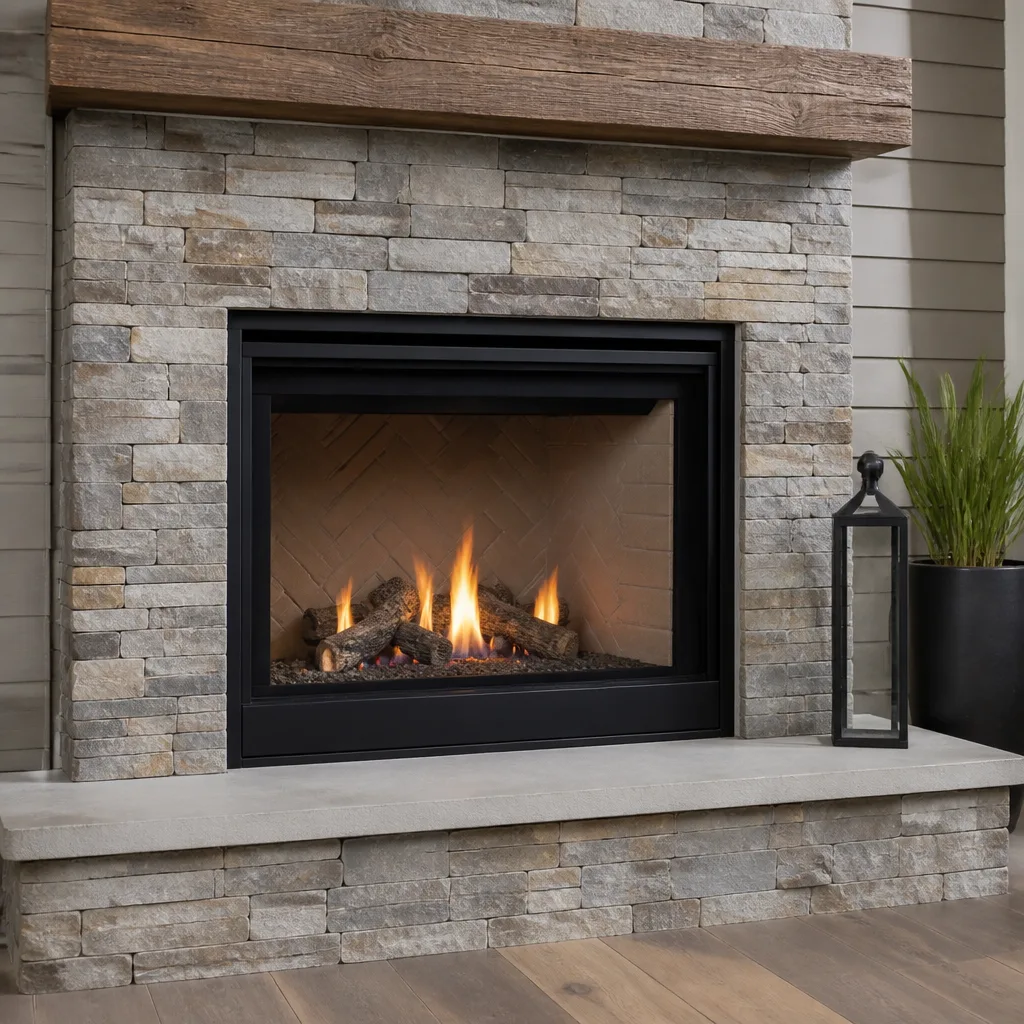
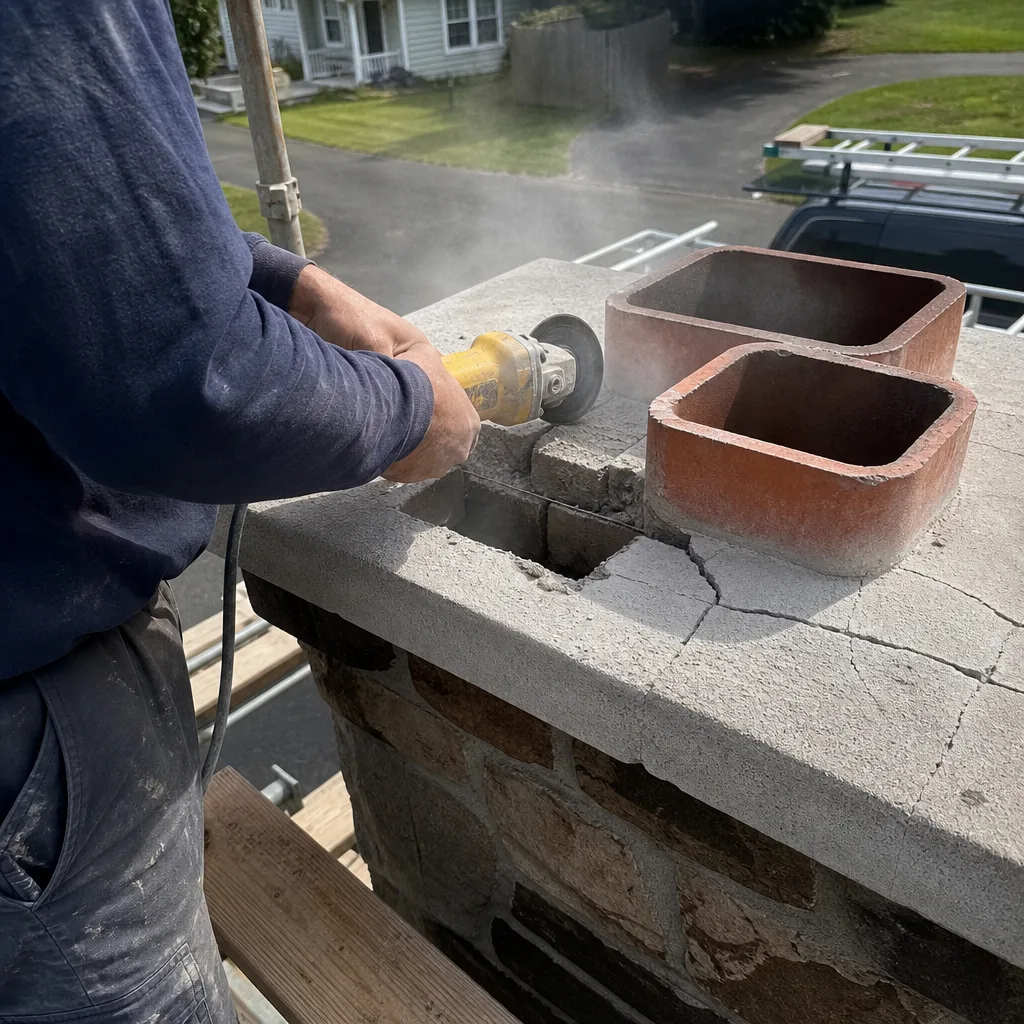
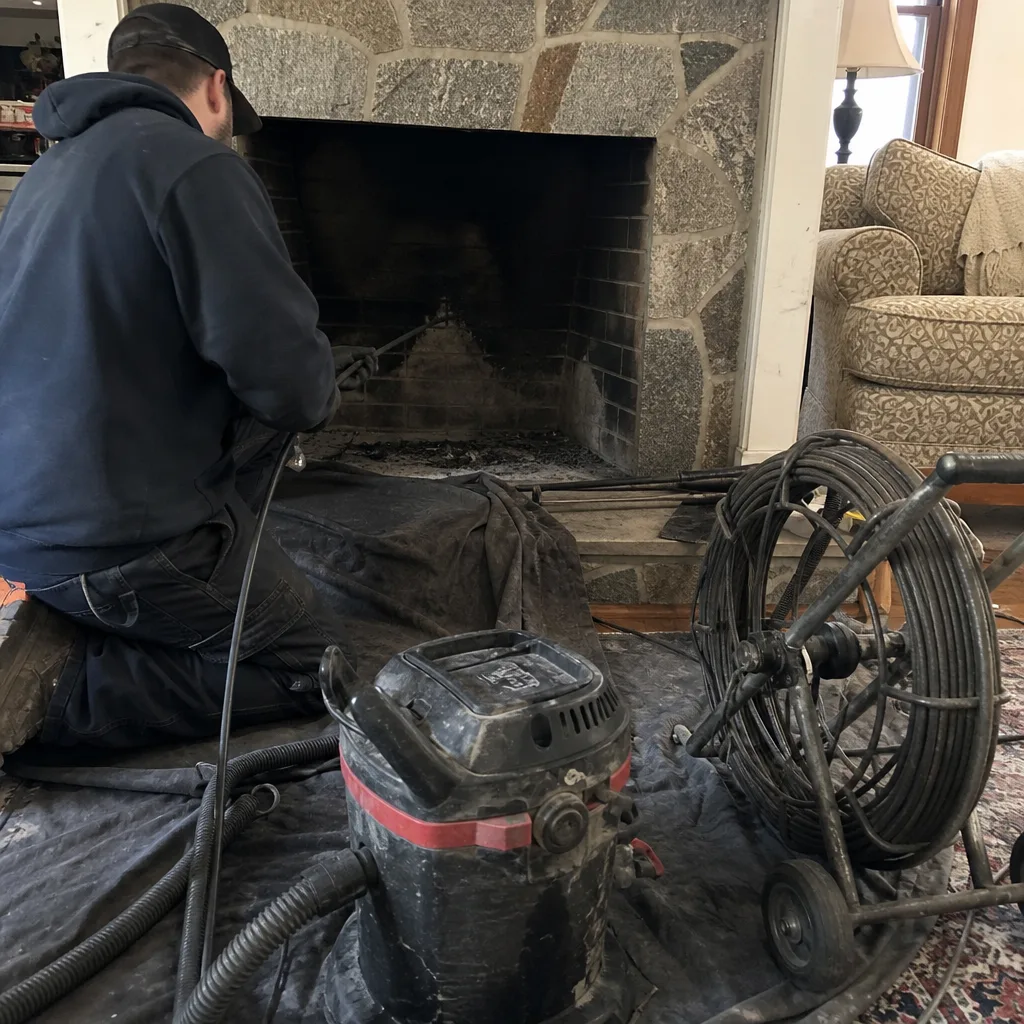 Before
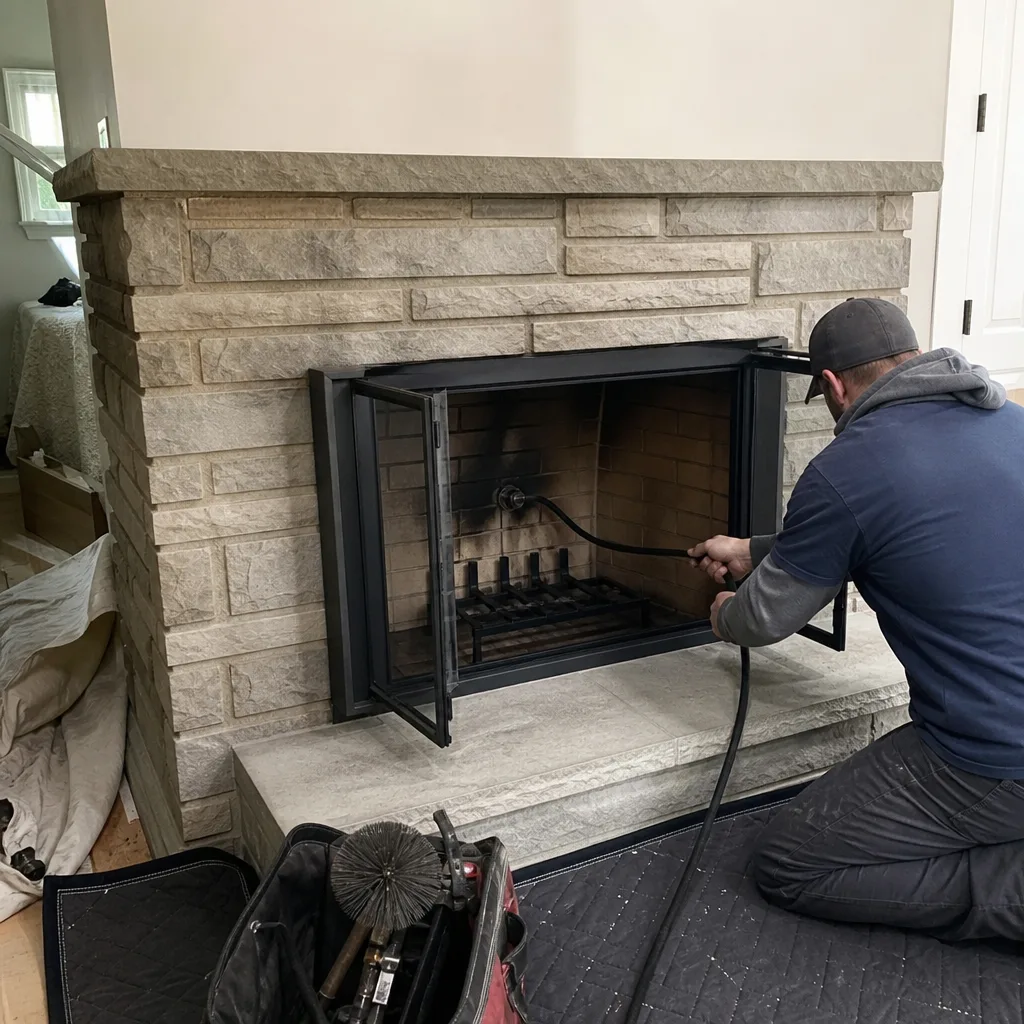 After
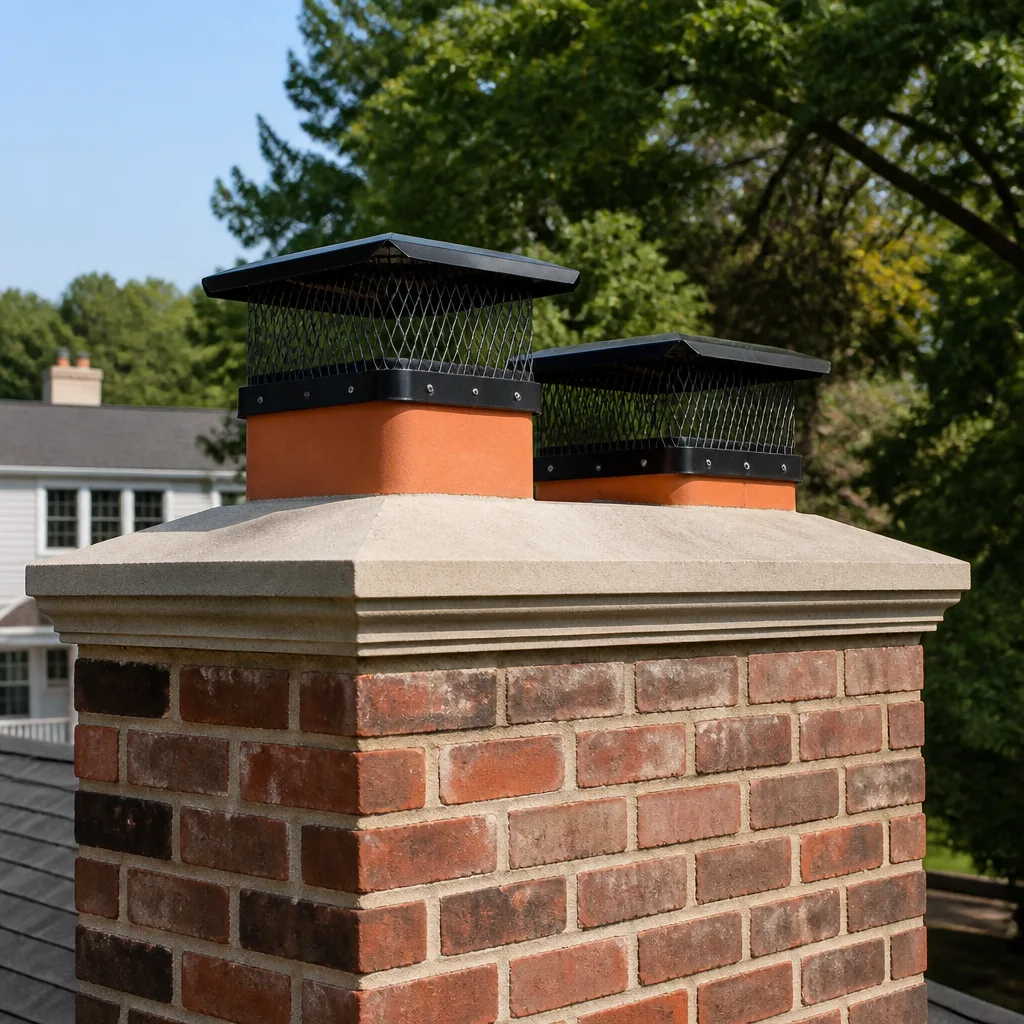
After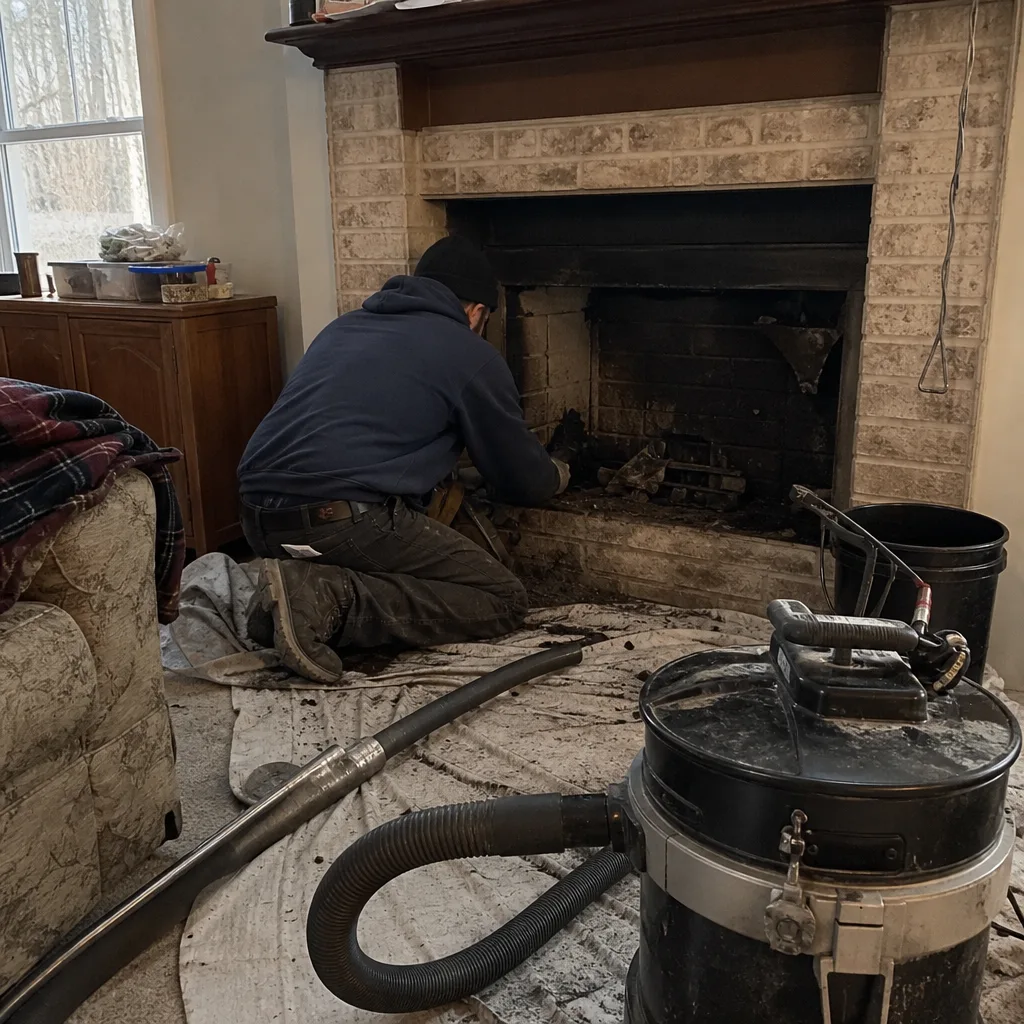 Before
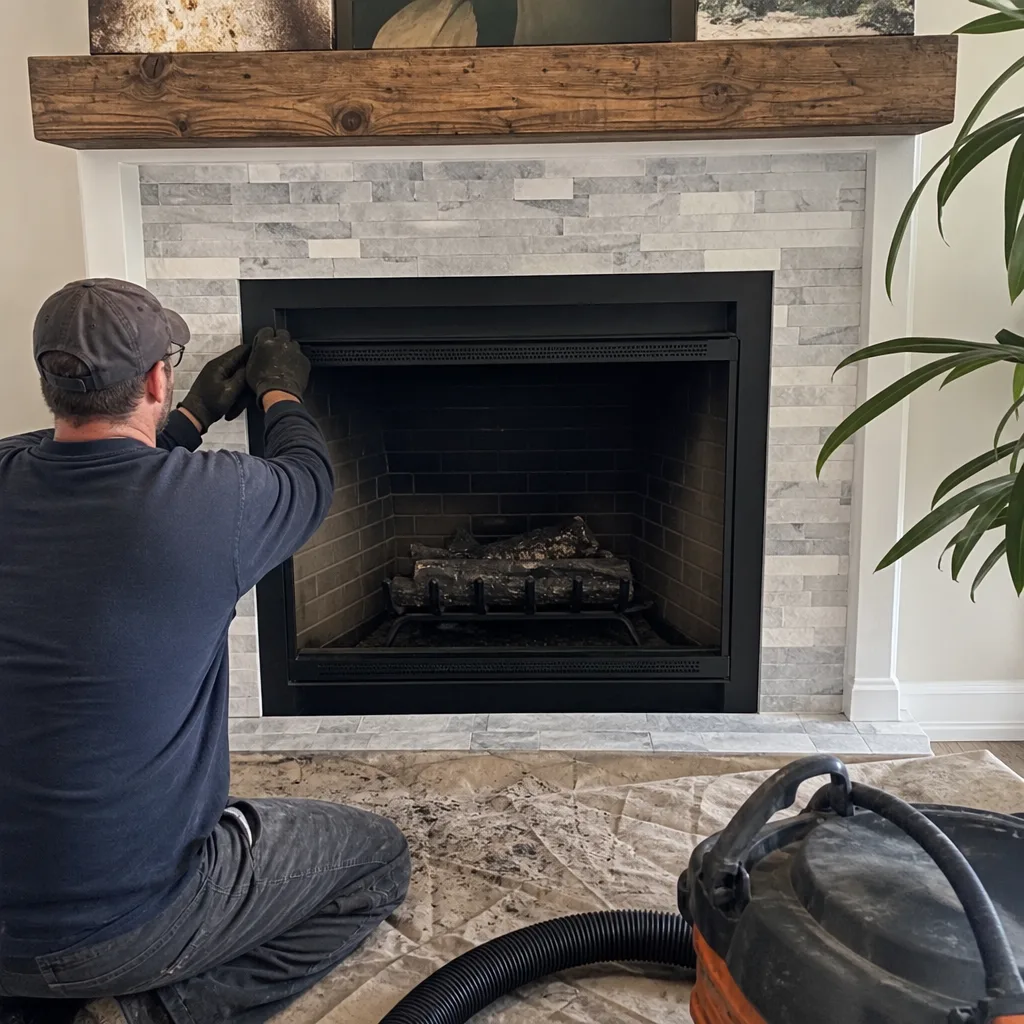 After
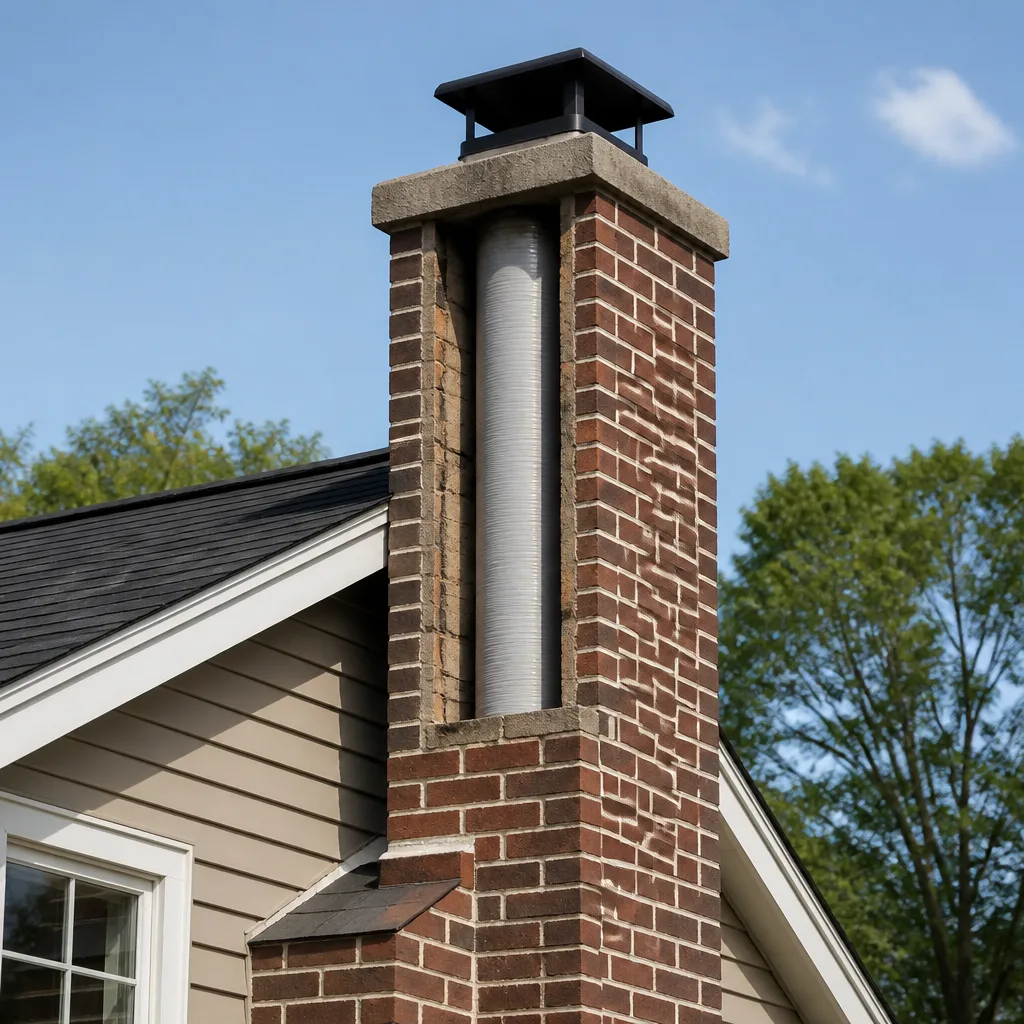
After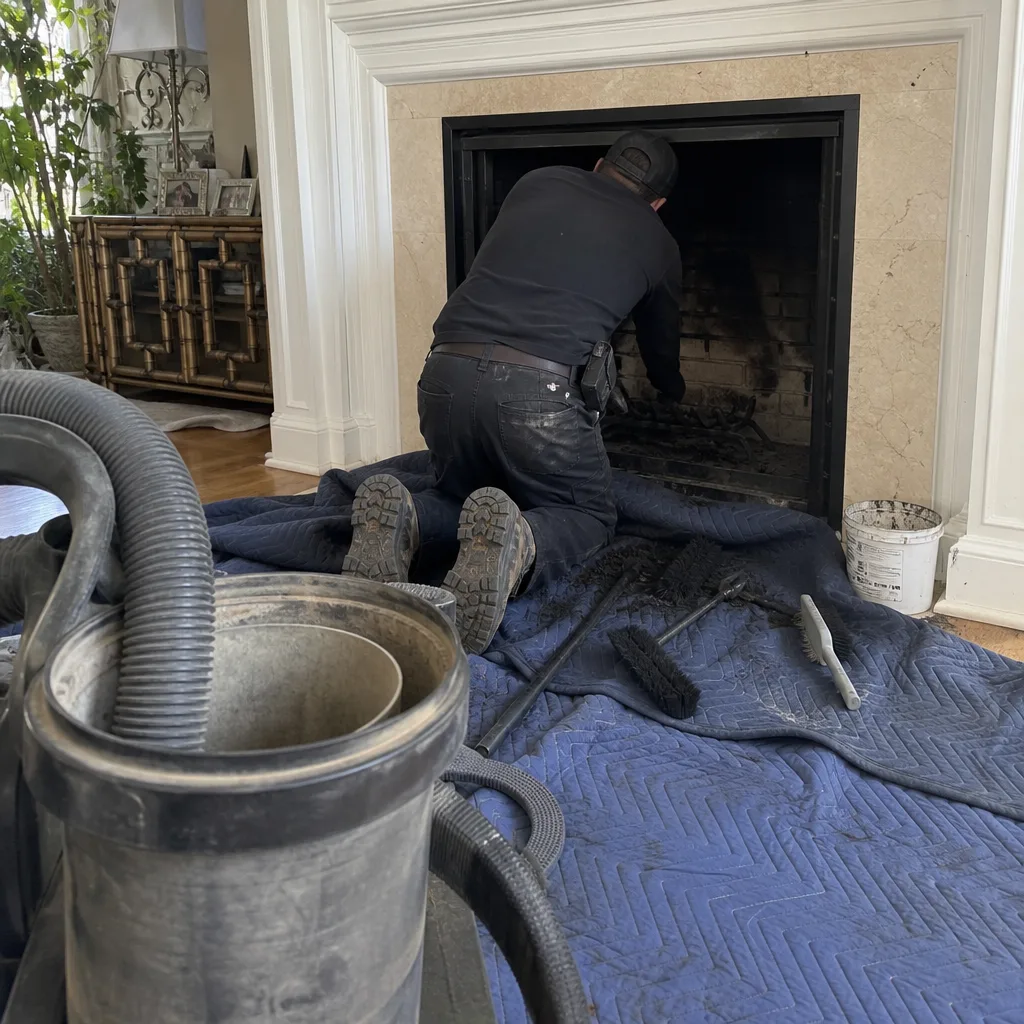 Before
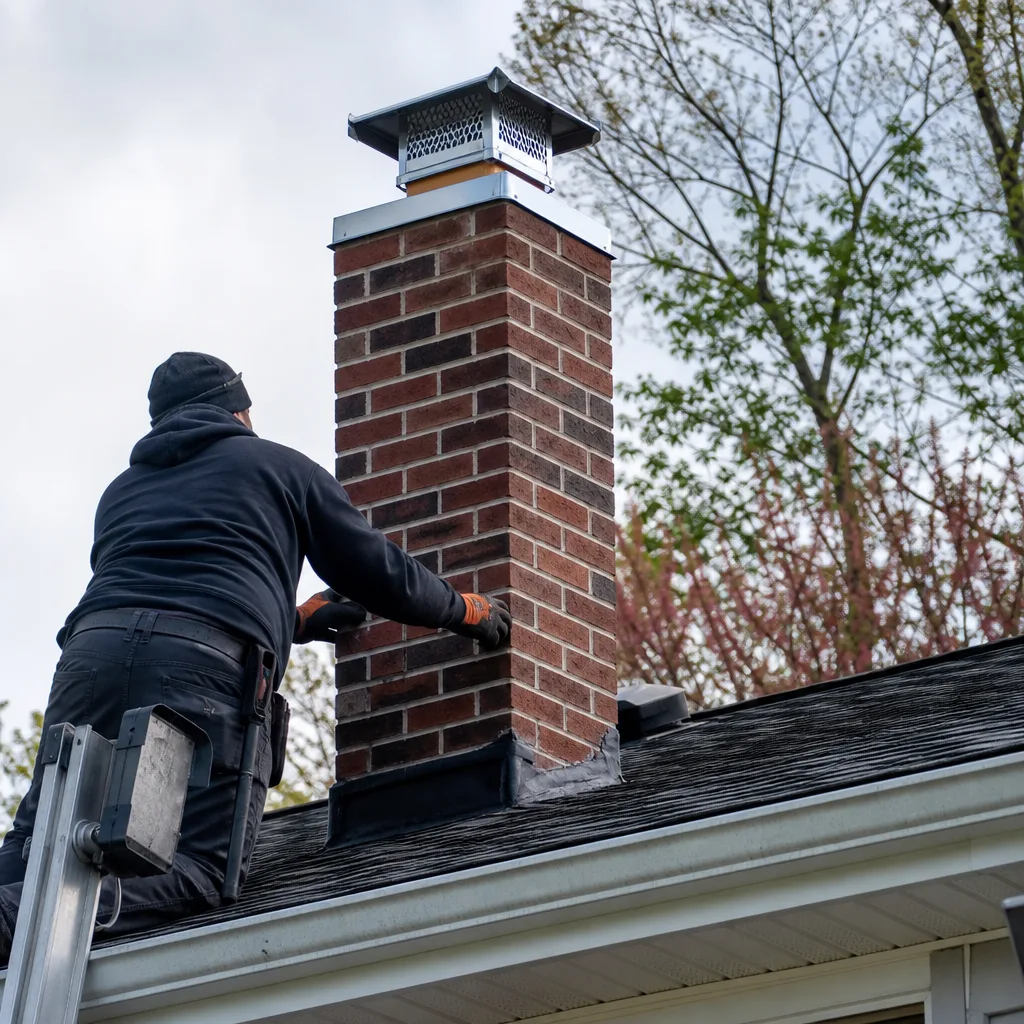 After
AfterChimney Cleaning Permits, Codes & Inspections in CT: What You Need to Know
A chimney liner replacement done without the required Connecticut permit can void a homeowner’s insurance claim after a fire, and most homeowners only find that out after the fire. It’s the kind of discovery that turns a bad week into a bad year. The rules around chimneys in Connecticut are not uniform. What counts as routine maintenance in one town triggers a permit and two inspections in the next. This guide breaks down what actually requires a permit, what requires an inspection, and what is purely maintenance work in Coventry, Tolland County, and the rest of the state so you can make a decision you won’t regret at claim time.
Quick Answer
Chimney cleaning and sweeping in Connecticut does not require a permit anywhere in the state. A chimney liner replacement, a rebuild, or any structural modification to the fireplace or flue typically requires a building permit from your local town hall, and in Coventry that means the Building Department. For a full breakdown, see The Complete Guide to Chimney Cleaning in Coventry. An inspection by a licensed sweep is always recommended, but a local building inspector’s sign-off is the piece of paper your insurance company will ask for after a fire.
Table of Contents
- Chimney Cleaning vs. Chimney Repair: Where CT Draws the Line
- What Chimney Jobs Actually Trigger a Permit in Coventry and Tolland County
- NFPA 211: The Standard Every CT Sweep Uses, Even If You’ve Never Heard of It
- What a Chimney Inspection Actually Looks Like in Connecticut
- What Your Insurance Company Needs After a Chimney Fire
- CT DEEP and State Contractor Registration: Licensed Sweeps vs. Handymen
- Why Chimneys Break in the Connecticut Off-Season
- Common Mistakes to Avoid
- When to Call a Professional
- Frequently Asked Questions
- The Bottom Line
Chimney Cleaning vs. Chimney Repair: Where CT Draws the Line
Connecticut treats chimney work as two separate worlds. The first world is cleaning and sweeping. No permit, no inspection, no town hall involvement. A sweep shows up, runs brushes through the flue, vacuums the firebox, and hands you a written report. That’s it. The state considers this routine maintenance, the same category as cleaning your gutters.
The second world is repair and modification. This is where Connecticut gets specific. The moment you replace a flue liner, rebuild a crown, repoint masonry beyond surface patching, or alter the firebox dimensions, you have entered permit territory in most towns, including Coventry. The reason is simple: a chimney is part of the building envelope. It penetrates the roof, carries exhaust gases, and sits next to combustible framing. When you change how it functions, the building department wants to verify the work meets code.
In our experience around Coventry, the most common point of confusion is the stainless steel liner. A homeowner calls us for what they think is a simple chimney cleaning, we run a camera up the flue, and the footage shows cracked clay tiles or gaps that need a liner. The cleaning itself needed no permit. The liner installation does. We handle the permit paperwork for you, but the distinction matters because it changes the job from a $250 maintenance call to a $3,000-plus permitted repair. Knowing the difference before the camera goes up prepares you for an honest conversation, not a surprise.
What Chimney Jobs Actually Trigger a Permit in Coventry and Tolland County
Coventry follows the Connecticut State Building Code, which is based on the International Residential Code, but the town adds its own filing requirements. Here is the plain-English version of what triggers a permit in Coventry and most Tolland County towns.
Jobs That Require a Building Permit
- Chimney liner replacement or installation. Whether stainless steel or a poured-in-place system like HeatShield, this is a structural and fire-safety modification. Coventry’s Building Department requires a permit before work begins and an inspection after the liner is installed.
- Full or partial chimney rebuild. Tearing down and rebuilding a chimney above the roofline, repointing more than a quarter of the masonry, or rebuilding the firebox all require permits.
- New fireplace or wood stove installation. Any new appliance connected to a flue, or a flue added to the house, requires a permit and a final inspection.
- Chase cover and crown replacement when the flue is altered. If the crown replacement involves changing the flue termination or requires demolition beyond the surface, the building department wants to know.
Jobs That Do NOT Require a Permit
- Chimney sweeping and cleaning. No permit anywhere in Connecticut.
- Chimney cap installation. A cap sits on top of the flue and does not alter the structure, so no permit. We install Famco and Copperfield caps in Coventry regularly without town involvement.
- Minor crown sealing or waterproofing. Patching hairline cracks with a sealant is maintenance, not modification.
- Damper replacement or repair. This is an appliance-level fix, not a structural one.
If you are not sure whether your job needs a permit, call Coventry’s Building Department directly. They would rather answer a question than discover an unpermitted liner after the fact. And if you are working with us, we file the permit as part of the job. You should never be the one standing at the town hall counter trying to explain flue tile terminology.
The Inspection Process in Coventry, Step by Step
- Permit application filed. Your contractor or you file with Coventry’s Building Department, including a scope of work and, for liner jobs, the product specifications (such as DuraFlex or HeatShield).
- Work performed. The liner goes in, the rebuild goes up, the firebox gets repointed.
- Rough inspection if required. For rebuilds, the inspector may want to see the masonry before the crown goes on. For liner-only jobs, this step is often skipped.
- Final inspection. The building inspector visits the property, verifies the work matches the permit, and signs off. You receive a certificate of approval. Keep this document. It is your insurance company’s favorite piece of paper.
NFPA 211: The Standard Every CT Sweep Uses, Even If You’ve Never Heard of It
NFPA 211 is the National Fire Protection Association’s standard for chimneys, fireplaces, vents, and solid fuel-burning appliances. It is not a Connecticut law by name, but it functions as the practical standard that sweeps, home inspectors, and insurance adjusters all reference. When the state building code is silent on a chimney detail, NFPA 211 fills the gap.
The key sections a Coventry homeowner should know:
- Annual inspection requirement. NFPA 211 says chimneys, fireplaces, and vents shall be inspected at least once a year. Not every ten years. Once a year, burn or no burn. Chimneys break in the off-season too.
- Levels of inspection. Level 1 is a visual check of accessible areas. Level 2 adds camera scanning of the flue interior and is required when you buy a home, after a chimney fire, or after an earthquake or weather event. Level 3 is invasive, opening walls or removing masonry, and is reserved for suspected hidden damage.
- Clearance to combustibles. The standard specifies minimum distances between flue walls and combustible framing. Most chimney fires spread because a liner failed and heat reached attic framing.
- Creosote thresholds. NFPA 211 gives guidance on creosote buildup that corresponds to the levels we sweep for: first-degree creosote is a brush job, third-degree is a glaze that catches fire at a lower temperature and burns hotter.
When we inspect a chimney in Coventry, we follow NFPA 211’s level system and tell you which level we performed and why. The camera footage and a plain-English verdict come with every inspection, no exceptions. If a home inspector or insurance adjuster ever questions our work, the report holds up because it references a recognized standard, not just our opinion.
What a Chimney Inspection Actually Looks Like in Connecticut
Most homeowners have never watched a real chimney inspection and assume it is a guy glancing up the flue with a flashlight. A proper inspection in Coventry, done to the standard your insurance company expects, is more involved.
- Exterior assessment. The sweep walks around the house and looks at the chimney from the ground. Crown condition, mortar joints, flashing at the roofline, lean or tilt, and the condition of the cap.
- Roofline check. If safe and accessible, the sweep gets on the roof or uses a drone. Connecticut winters with freeze-thaw cycles are hard on crowns. A cracked crown in Coventry is an open invitation for water to sit in the flue and break the clay liner.
- Interior firebox check. The sweep examines the firebox for cracked brick, damaged refractory panels, and the damper’s ability to open and close properly.
- Flue camera scan. A camera runs the full length of the flue. This is where the honest answers come from. The footage shows cracked tiles, missing mortar, or a shiny third-degree creosote glaze.
- Draft and ventilation check. The sweep verifies the flue is sized correctly for the appliance and that combustion air is adequate. Your flue doesn’t care how the fire looks. It cares how it breathes.
- Written report. You get a written report with the camera footage, the level of inspection performed, the specific findings, and a recommendation. If a repair is suggested, you should be able to see exactly what the sweep saw.
In Coventry, the difference between a $99 “inspection” from an unlicensed handyman and a real Level 2 inspection from a licensed sweep often comes down to step four. Learn what to watch for in our Chimney Cleaning Warning Signs: A Coventry Homeowner’s Reference Guide. If there is no camera in the flue, no footage to show you, you are not getting an inspection. You are getting an opinion.
What Your Insurance Company Needs After a Chimney Fire
After a chimney fire in Connecticut, the insurance adjuster’s questions are predictable. The answers determine whether your claim is a smooth payout or a denied mess. Here is what they look for, in the order they usually ask.
- When was the chimney last inspected, and by whom? If the answer is “never” or “by a guy I found on Facebook,” the adjuster starts building a neglect case. If the answer is a licensed sweep with a written report dated within the last year, the adjuster moves on.
- Do you have the inspection report? A verbal “the sweep said it looked fine” is worth nothing. A dated written report with camera findings is a document. This is the single most valuable piece of paper a chimney-owning homeowner can keep in a drawer.
- Was any repair work permitted? If you had a liner installed and there is no permit or final inspection certificate on file with the town, the adjuster will ask whether the work was permitted. An unpermitted liner is a reason to reduce or deny a claim, especially if the fire started in the flue.
- Was the damage caused by neglect? A third-degree creosote glaze that was reported as needing removal twelve months ago and never addressed is a neglect finding. Your insurance policy covers sudden and accidental damage, not deferred maintenance.
The pattern is simple: documentation wins. A chimney inspection from a licensed sweep in Coventry, with a written report and camera evidence, is your proof that you maintained the chimney. A chimney cleaning from an unlicensed handyman who scribbled a receipt on a clipboard is not.
CT DEEP and State Contractor Registration: Licensed Sweeps vs. Handymen
Connecticut requires anyone performing chimney sweeping, repair, or liner installation to be registered with the Department of Energy and Environmental Protection, or CT DEEP. This registration is not a suggestion. It is a state-level requirement tied to air quality and solid fuel burning regulations.
The practical difference between a registered sweep and an unlicensed handyman offering the same service cheaper comes down to three things:
- CT DEEP registration is verifiable. You can check whether a sweep is registered, and the registration number should be printed on the inspection report. An unlicensed handyman has no number to show because there is no number.
- Insurance and bonding follow registration. Registered sweeps carry liability insurance because the state expects them to. The handyman who undercuts the price is usually uninsured. If he damages your roof or drops a brush down your flue, you are paying for the repair out of pocket.
- The work product holds up. A registered sweep’s written report is a document an insurance adjuster will accept. A handyman’s receipt is not.
In Coventry and across Tolland County, we have seen the aftermath of unlicensed chimney work. A liner installed without a permit that fails a home inspection at resale. A crown patched with the wrong mortar that cracks again in two winters. The savings evaporate the first time someone asks for documentation.
Why Chimneys Break in the Connecticut Off-Season
Connecticut’s climate is specifically hard on chimneys, and most homeowners misunderstand when the damage happens. The fire burns from November through March. The damage accumulates in April through October.
Freeze-thaw cycles are the culprit. Water seeps into hairline cracks in the crown or mortar joints during a thaw. The temperature drops overnight, the water freezes and expands, and the crack widens. Repeat that cycle a hundred times over a Connecticut winter and you have a crown that looks like a jigsaw puzzle by spring. Most of the chimney repairs we do in Coventry are scheduled in summer, when the damage is discovered by a spring inspection, not in January when the fire is burning.
This is why the “once a year, burn or no burn” rule matters. If you only call a sweep when the fire is burning, you are inspecting at the wrong time. By April, the freeze-thaw damage from the winter is already done, and the smart homeowner is looking at it before October, not after the first cold snap.
The good news is that Connecticut damage is usually visible. A cracked crown, a leaning flue tile, a rusted damper, a cap that has blown off in a nor’easter. None of these are hidden problems. They just need someone to look, which is precisely what an annual inspection is for. For more on the crown-specific damage we see around town, see our guide to Chimney Cap & Crown in Coventry.
Common Mistakes to Avoid
- Skipping the permit on a liner replacement because the sweep said he would “handle it quietly.” If the work is unpermitted, your insurance claim is in jeopardy, and the town can require you to open the chimney for reinspection. Always get the permit.
- Treating a chimney cleaning as equivalent to an inspection. A cleaning removes creosote. An inspection tells you whether the flue is cracked, the liner is failing, and the crown is shot. They are different jobs and you need both.
- Hiring the cheapest quote without checking CT DEEP registration. The savings disappear the first time someone asks for the inspection report or the permit number. Ask for the registration before the broom comes off the truck.
- Throwing away the inspection report after the sweep leaves. That report is your insurance documentation. File it. A year from now, when the adjuster asks, you’ll want it.
- Ignoring the chimney because you don’t burn often. Freeze-thaw damage happens whether or not a fire burns. Once a year, burn or no burn.
- Assuming your town’s rules match the next town over. Coventry’s Building Department has its own filing requirements. What flies in Mansfield may not fly in Coventry. Call your town hall before work begins if you are unsure.
- Deferring a liner recommendation because the fire “still works.” A cracked clay liner is a fire waiting for the right creosote buildup. First-degree creosote is a brush job. Third-degree is a glaze. Catch it early. For more on liners in the Coventry market, see our page on Chimney Liner & Rebuild in Coventry.
When to Call a Professional
Call a licensed, CT DEEP-registered sweep whenever you see creosote buildup thicker than a credit card, when you smell smoke inside the house after the fire is lit, when you notice water stains on the ceiling near the chimney, or when you have not had the flue inspected in the last twelve months. Call immediately if you hear a rumble in the chimney like a freight train, smell something sharp and oily, or see flames shooting from the top of the flue. That is a chimney fire, and it needs the fire department first and a Level 2 inspection second. If you are not sure whether your chimney needs a permit or just needs to be swept, call a sweep who will tell you the truth either way. Top Hat Chimney offers free estimates in Coventry. Call (860) 743-7732 and Wendell or a member of his crew will walk you through what you actually need. For the basics of a cleaning, see our Chimney Cleaning & Sweep in Coventry page. And if you are new to the area or just want to know who you’re dealing with, here is the Top Hat Chimney home page for the details.
Frequently Asked Questions
No. A chimney cleaning or sweeping is classified as routine maintenance and requires no permit anywhere in Connecticut, including Coventry. The permit requirement begins when the work involves structural repair, liner installation, or alteration to the flue or firebox.
A Level 1 or Level 2 chimney inspection in Coventry typically runs from $150 to $400, depending on whether it includes a full camera scan and written report. Some sweeps fold the inspection fee into the cleaning if they are done together. Always confirm whether the camera footage is included before you book. Call (860) 743-7732 for an exact quote and a free estimate.
Yes. A stainless steel liner installation, whether using a product like DuraFlex or a poured-in-place system like HeatShield, is a structural modification and requires a building permit through Coventry’s Building Department. The inspection is done after installation. Work done without a permit can complicate a future insurance claim or home sale.
A Level 1 inspection is a visual check of the accessible portions of the chimney, firebox, and appliance connections. A Level 2 adds a camera scan of the flue interior and is required when the property changes hands, after a chimney fire, or after a damage event. Level 1 is fine for annual maintenance. Level 2 is what a home purchase or insurance claim usually requires.
Not legally, no. Connecticut requires chimney sweeps and anyone performing flue repair or liner installation to be registered with CT DEEP. A handyman without that registration is operating outside the state’s air quality and solid fuel regulations, and his work product will not be accepted by an insurance adjuster the way a registered sweep’s written report will be.
Once a year, burn or no burn. The freeze-thaw cycle in Connecticut damages crowns and mortar joints whether or not a fire burns, and creosote buildup from even occasional burning is a fire hazard. An annual inspection catches both. Chimneys break in the off-season too.
The Bottom Line
Chimney work in Connecticut breaks into two buckets: maintenance and modification. Maintenance, like sweeping and cap installation, needs no permit and no inspection. Modification, like liner replacement and rebuilds, needs both, and the permit is the document your insurance company will ask for if something goes wrong. An annual inspection from a CT DEEP-registered sweep, with camera footage and a written report, is the cheapest insurance policy you own. In Coventry, a good sweep tells you when the job needs doing and when it can wait. Wendell has been at this since 1999 and still answers the phone himself. Call (860) 743-7732 for a free estimate. And if you have been told you need a liner or a new crown, bring us the written estimate. The second opinion is free, and the camera does not lie.
Written by Wendell Pike, Owner at Top Hat Chimney, serving Coventry since 1999.