

Last updated September 10, 2026
Level 1 sweep and inspection to the NFPA 211 annual standard - flue, crown, cap, and flashing checked and photographed
Chimney sweep logs do not sweep chimneys. They loosen some creosote - which then falls where a brush and vacuum still have to collect it.
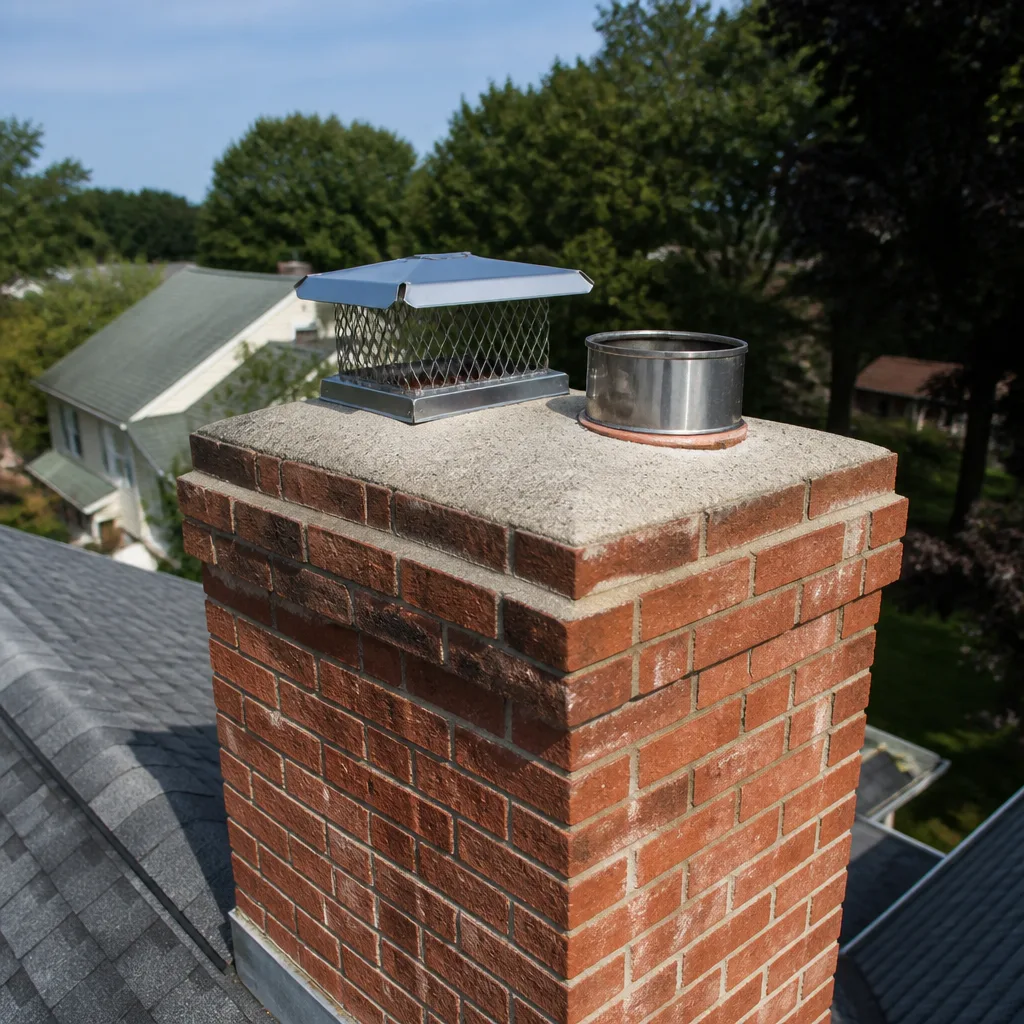
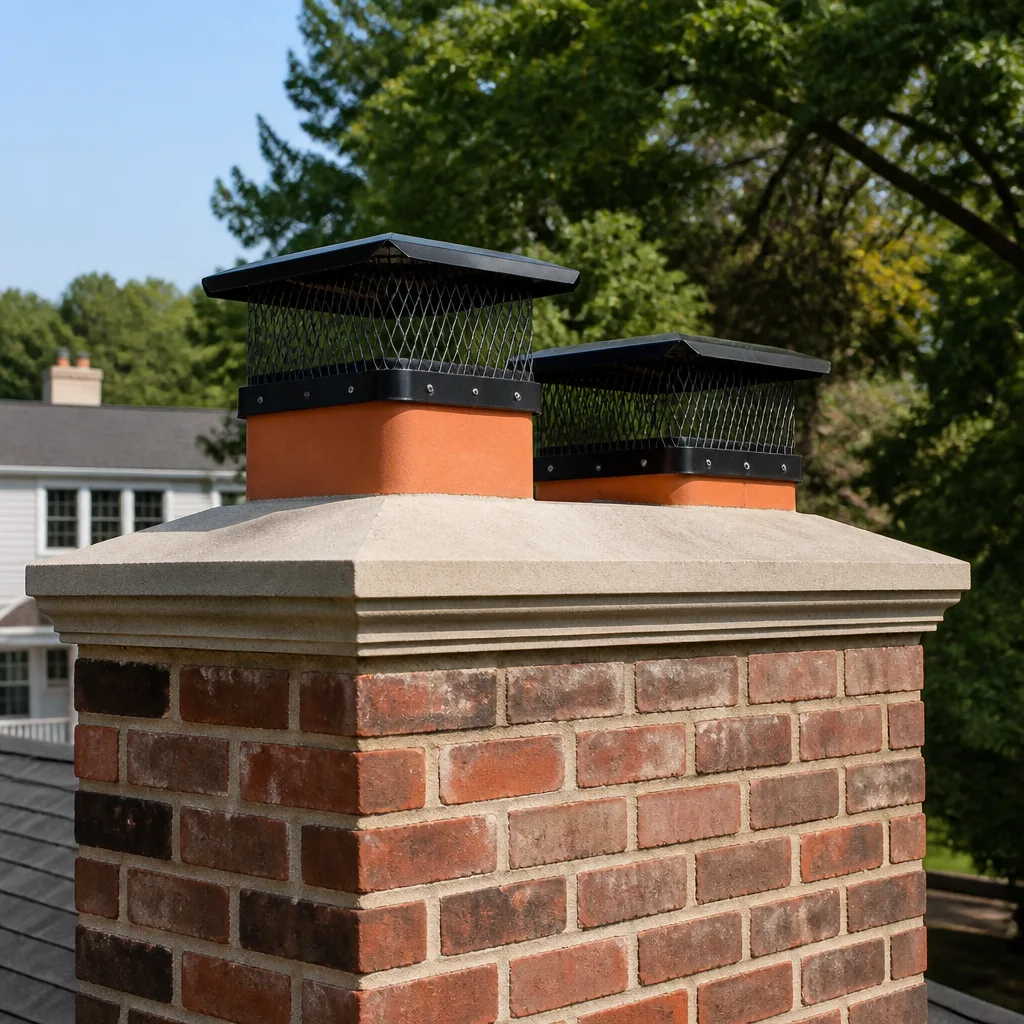
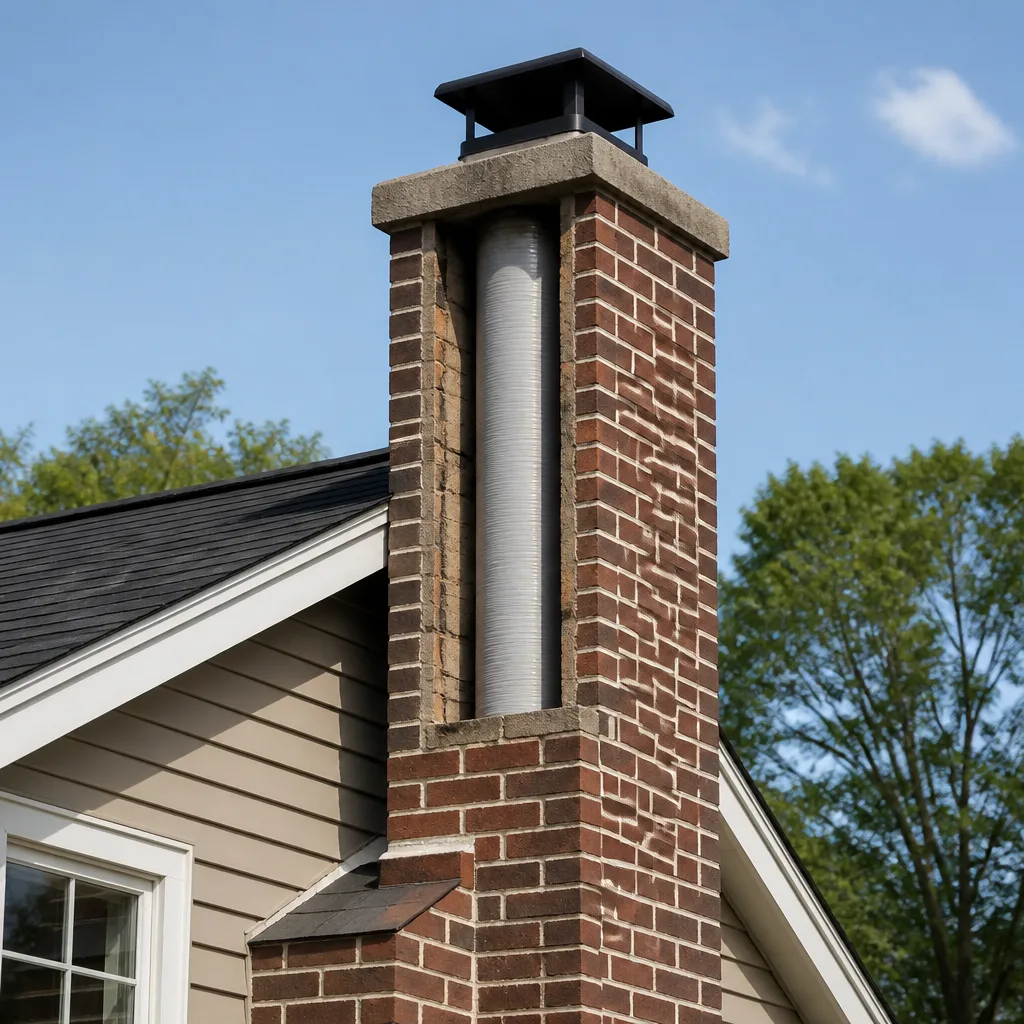
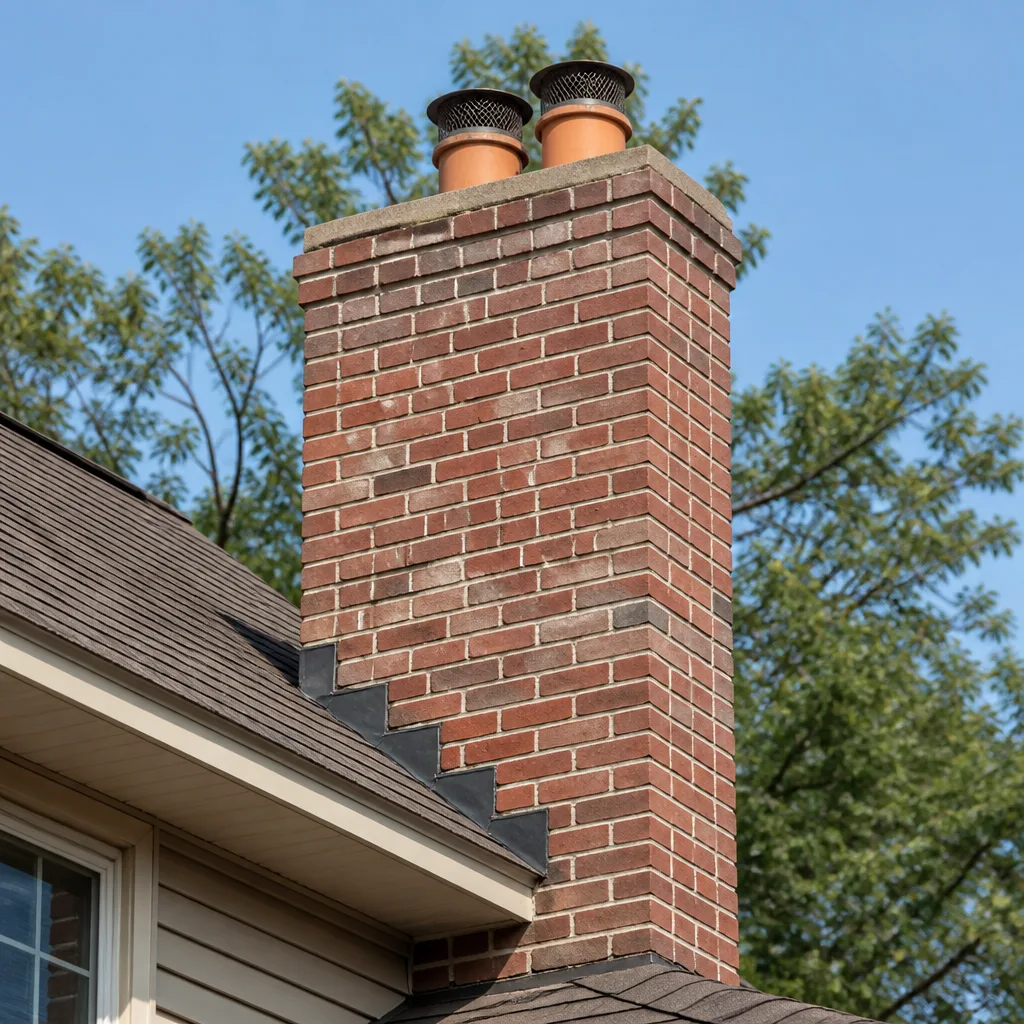
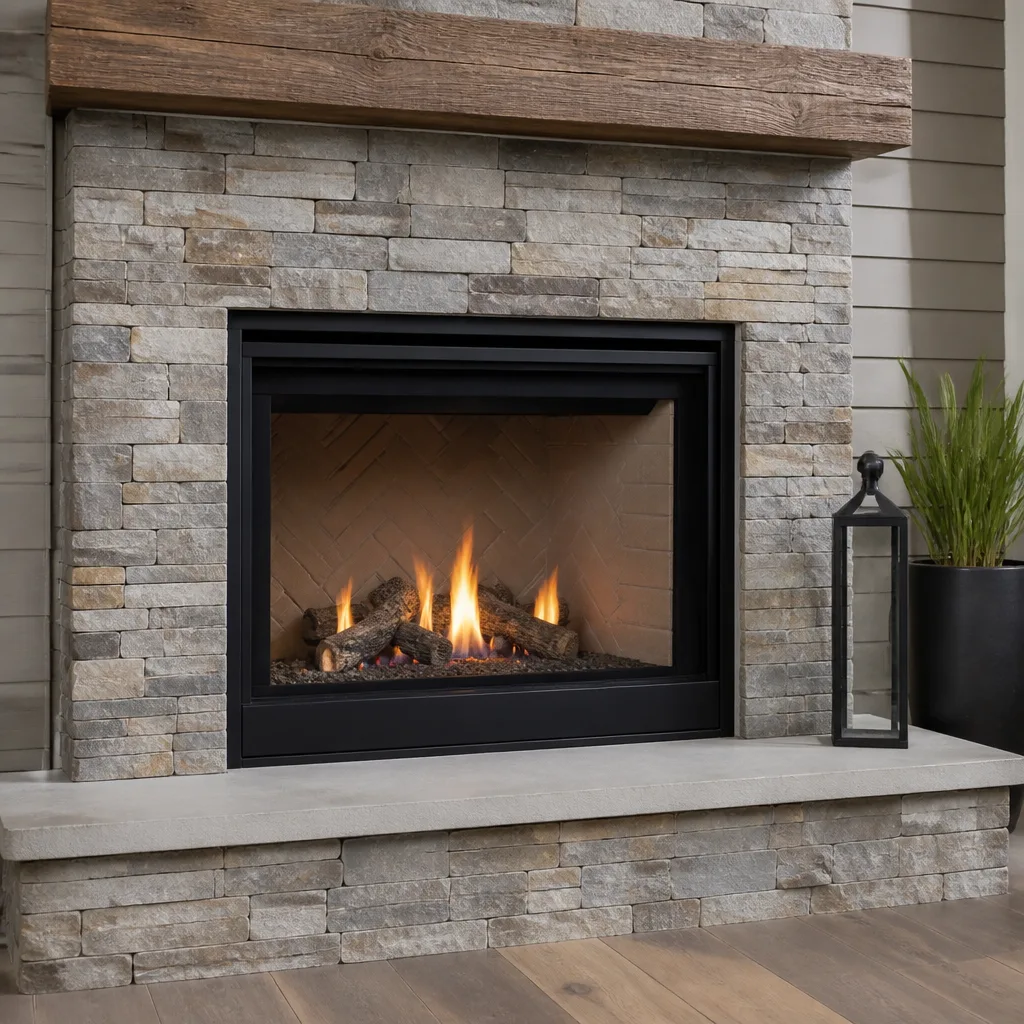
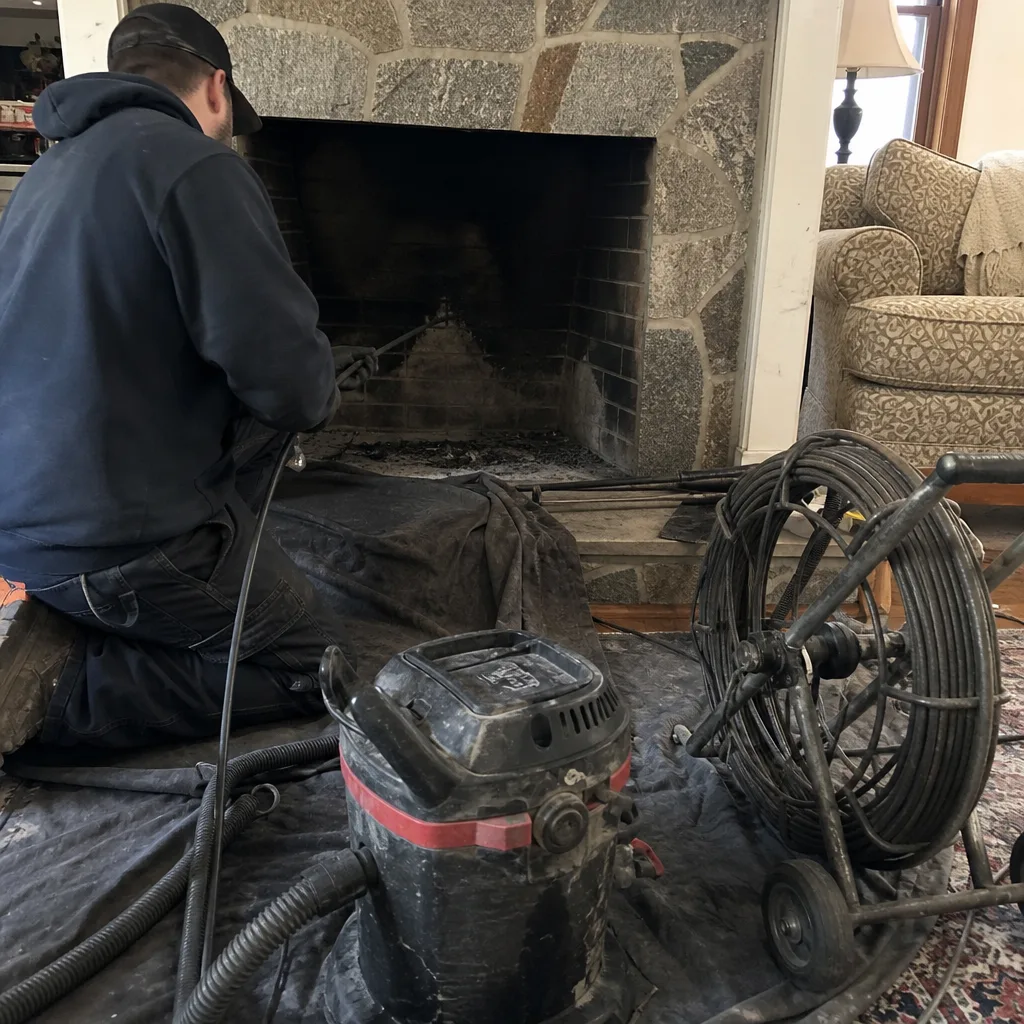 Before
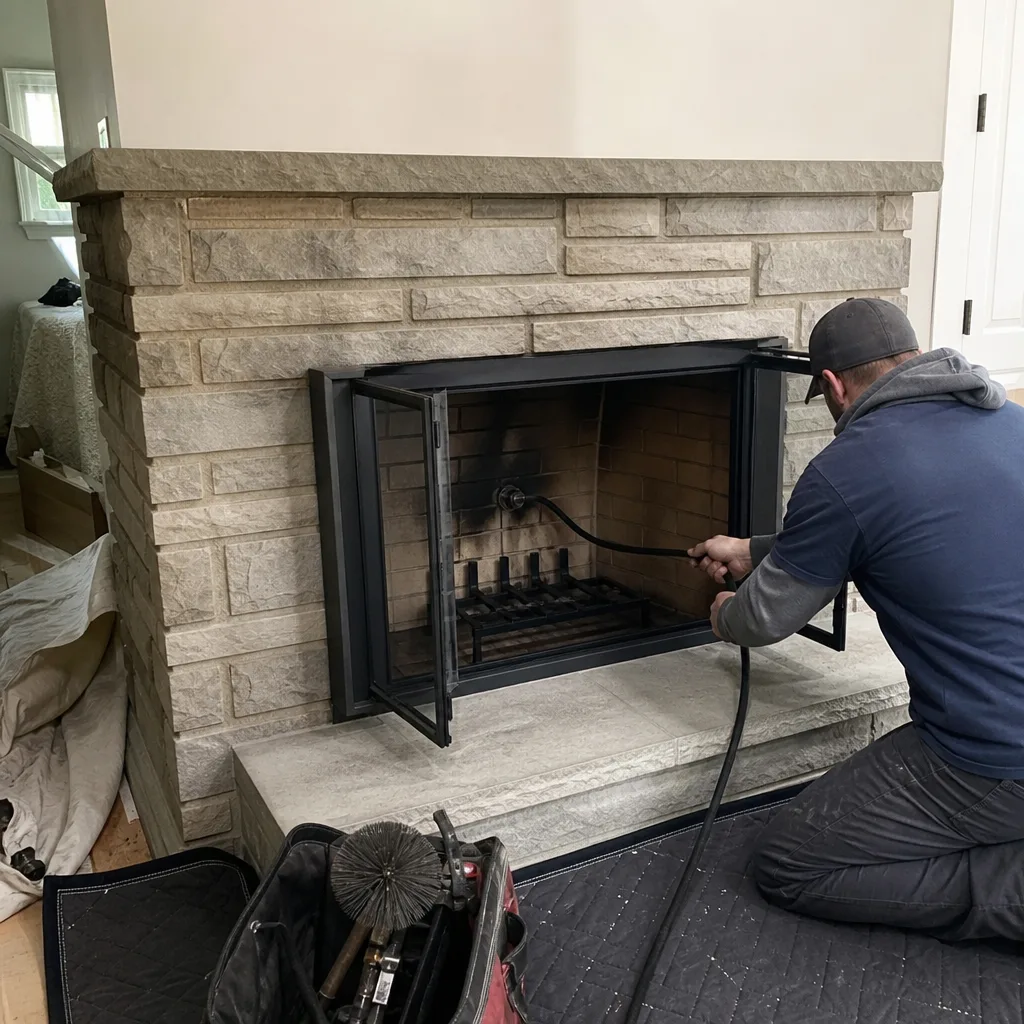 After
After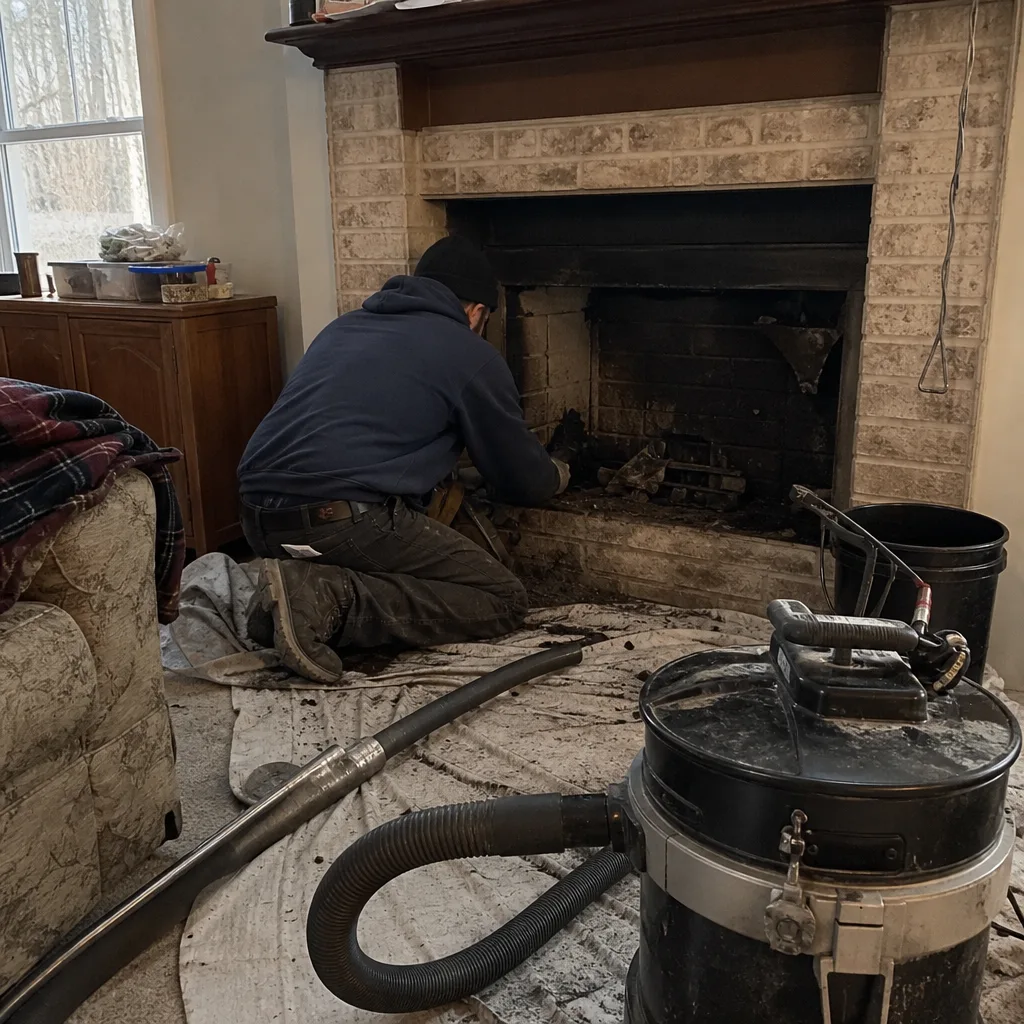 Before
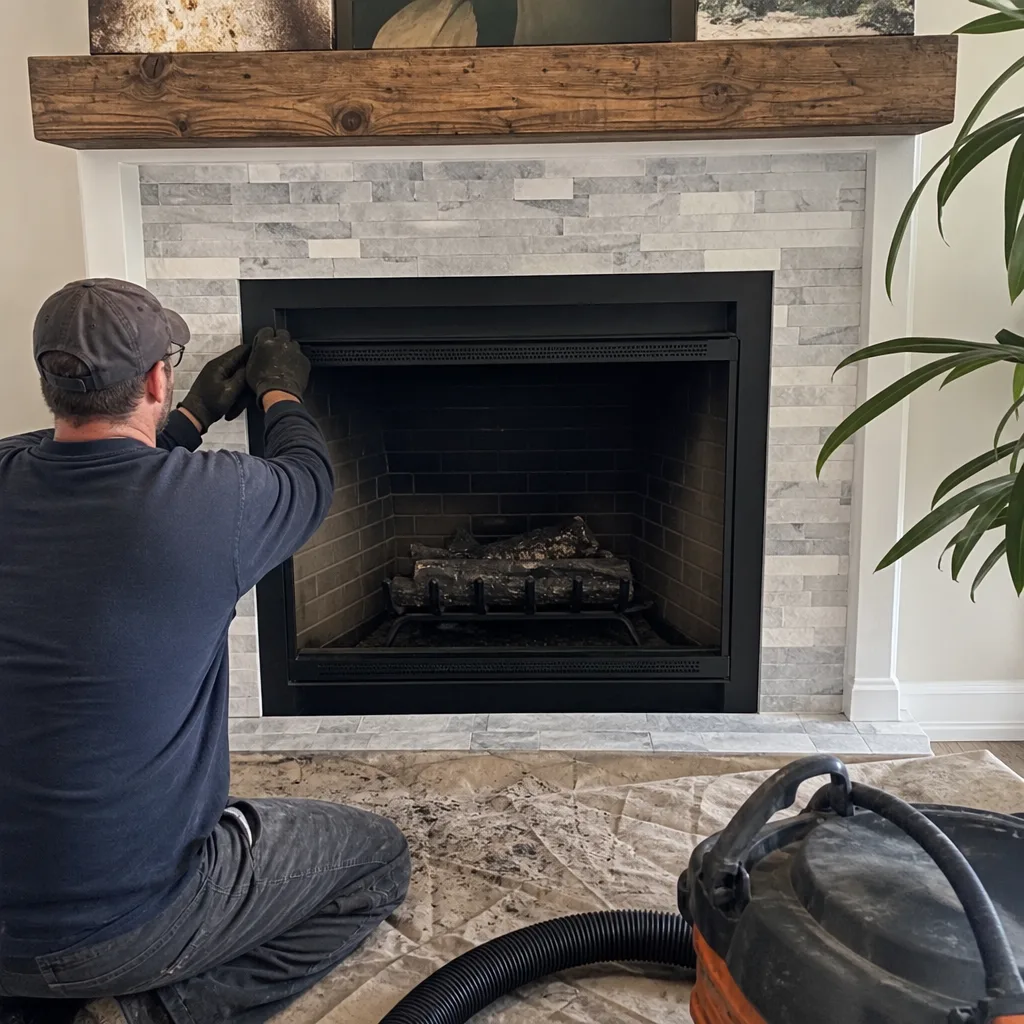 After
After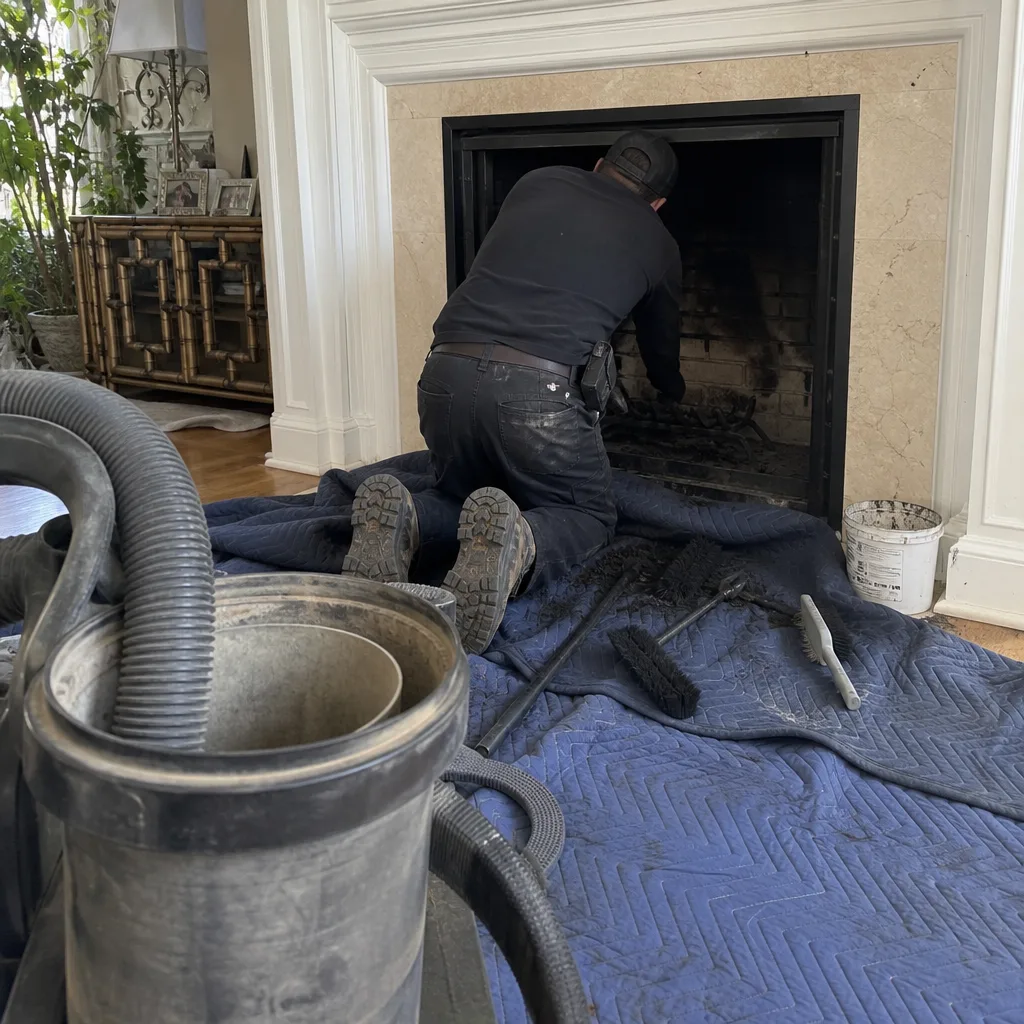 Before
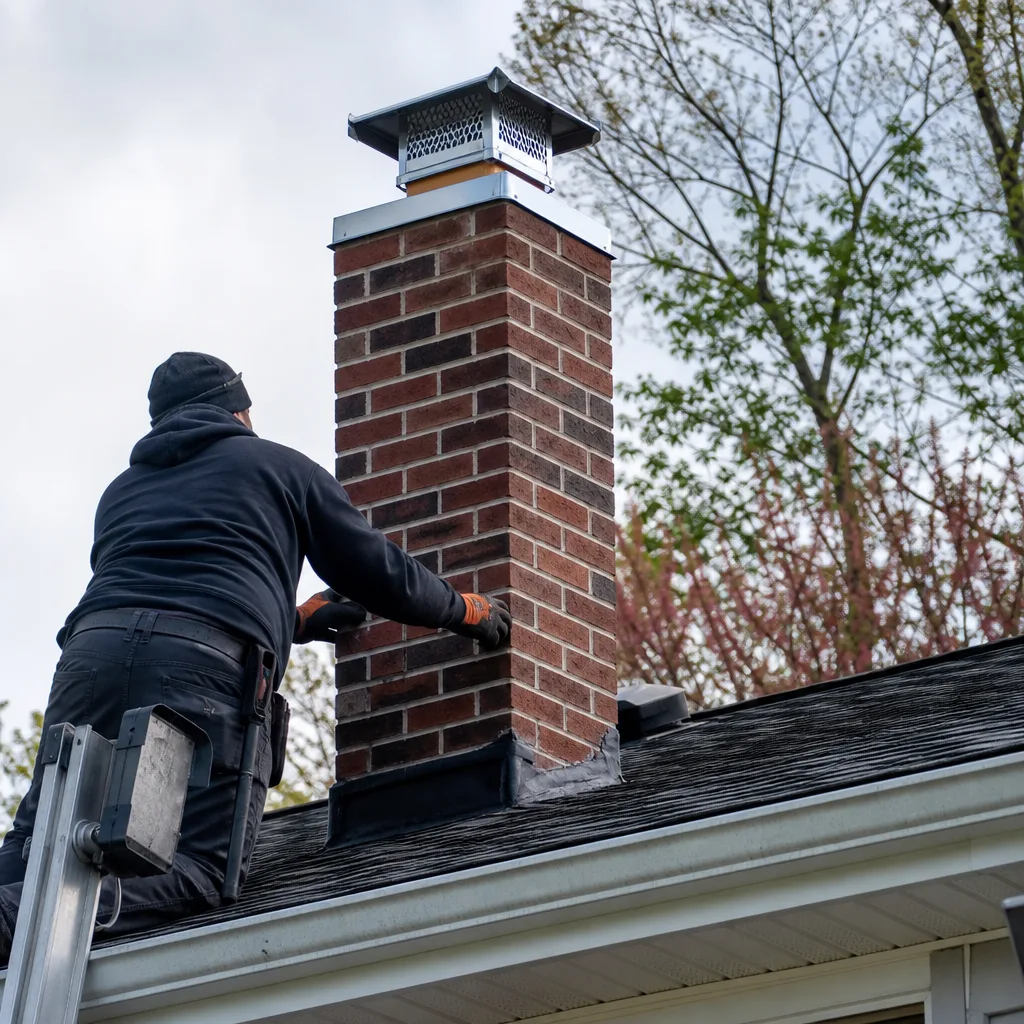 After
AfterSeasonal Chimney Cleaning Care for Coventry: Year-Round Homeowner’s Guide
September is the worst time to find out your chimney needs work. Every sweep in eastern Connecticut is booked out two to three weeks, the nights are getting cold, and you’re lighting a fire in a week. We’ve been at this in Coventry since 1999, and we can tell you exactly when that September scramble starts: the previous March, when the last fire went out and nobody thought about the chimney again until the first frost. This guide maps out what your chimney needs each season, why the off-season jobs matter more than the fall rush, and how to stay ahead of a system that breaks quietly when nobody’s watching. For more guides & resources, visit our blog.
Quick Answer
Chimney care is four distinct jobs spread across the year, not one fall task. Schedule your sweep in late spring, right after the last fire, not in September. Inspect the crown and cap each summer using our Chimney Cap & Crown Maintenance Checklist for Coventry Homeowners, watch for animal entry after nesting season, and keep a simple written log of every fire and every service. In Coventry, the burning season typically runs October through April, which means your off-season maintenance window is May through September, and those five months are what prevent the expensive emergency calls in October.
Table of Contents
- Why September Is Too Late
- The Coventry Burning Season: What It Does to Your Chimney
- Spring: The Best Cleaning Window Nobody Uses
- Summer: Crown Checks, Animal Entry, and Debris
- The First Fire of Fall: What to Watch For
- Winter: Burn Smart, Watch the Signs
- Keeping a Chimney Log: Why It Matters
- Common Mistakes to Avoid
- When to Call a Professional
- Frequently Asked Questions
Why September Is Too Late
We’ve answered the same phone call hundreds of times: it’s the third week of September, the caller wants a sweep before they light the first fire, and we’re already booking into mid-October. Every reputable sweep in Coventry and the surrounding towns is in the same position. The problem isn’t the schedule, it’s the timing. If the sweep turns up a cracked flue tile or a deteriorated crown in September, the repair now competes with every other fall job ahead of it. What could have been a quiet Tuesday morning repair in June becomes a three-week wait with a cold fireplace in October.
Here’s what happens when a chimney gets inspected in September for the first time since April: it sat through a humid Connecticut summer, which means creosote absorbed moisture and expanded. Any cracks in the flue widened slightly. If animals nested in the cap area, the nest has had months to compact and harden. If water got in through a cracked crown, the interior masonry has been slowly degrading since May. September reveals these problems; it doesn’t cause them. The damage was done during the months everyone forgot the chimney existed.
The other September problem is choice. When you rush an inspection in fall, you take the first available appointment, not necessarily the sweep you’d pick if you had time to ask around. You pay what’s quoted because you have no leverage and no time. Ask anyone on your street who’s been through this. The people who schedule in spring pay the same price, get the same work, and never spend a single cold night waiting.
For a deeper look at what a proper sweep actually involves, see our guide to Chimney Cleaning & Sweep in Coventry.
The Coventry Burning Season: What It Does to Your Chimney
Coventry’s burning season runs roughly from October through April, give or take a few weeks on either end depending on the year. That’s six to seven months of regular fires, which means six to seven months of creosote accumulation, temperature cycling, and moisture exposure. The chimney is the hardest-working part of your house during those months, and it gets the least attention because it’s doing its job invisibly.
Creosote builds in three stages. First-degree creosote is a brush job: a flaky, dusty deposit that comes off with standard sweeping. Second-degree is a tar-like coating that clings to the flue walls and needs more aggressive mechanical cleaning. Third-degree is a glaze, a hard, shiny, baked-on layer that can require chemical treatment or removal with specialized tools. In Coventry, with its humid summers and cold, damp winters, we see creosote progress faster than in drier climates. The moisture in the air interacts with the deposits, making them stickier and harder to remove. First-degree creosote is a brush job. Third-degree is a glaze, catch it early.
The other thing the burning season does is stress the masonry. Every fire heats the flue, and every night it cools back down. Over a season of fires, that’s hundreds of expansion and contraction cycles. A hairline crack in a flue tile becomes a gap. A small crown crack opens wider. Water that gets into those openings when the snow melts or the spring rain comes, then freezes again in the next cold snap, pries the masonry apart from the inside.
Your flue doesn’t care how the fire looks. It cares how it breathes. A dirty or obstructed flue doesn’t draw properly, which means smoke backs up into the house, carbon monoxide has a path inside, and the fire burns less efficiently. The first sign of a problem is often subtle: the fire is sluggish, the smoke lingers in the room when you open the door, or there’s a faint campfire smell even when the fireplace is cold.
Spring: The Best Cleaning Window Nobody Uses
Late spring, right after the last fire of the season, is the best time to schedule a chimney sweep. Not the best time for us, the best time for you. Here’s why: the creosote is at its thickest after a full burning season, and it has not yet had a summer of humidity to turn into a sticky, hardened mess. A spring sweep removes the maximum amount of buildup with the least amount of effort, which means a cleaner flue going into the off-season.
There’s a second reason. If the sweep finds a problem, a cracked tile, a damaged cap, a deteriorating liner, you have five months to fix it before you need the fireplace again. You can get on a normal schedule, compare quotes if you want, and make the decision without a cold snap breathing down your neck. The repair can happen on a dry June afternoon instead of a frantic October weekend.
Here’s our recommended spring sequence, in order:
- Schedule the sweep within two weeks of your last fire. The chimney should be cool, the creosote fresh. Don’t wait until June if you burned your last fire in April.
- Ask for camera footage. A proper sweep in Coventry includes a camera inspection of the flue interior. This is non-negotiable. The camera footage and a plain-English verdict, every time, no exceptions.
- Review the crown and cap while the sweep is on the roof. Spring is when frost heave damage from the winter shows up. A cracked crown lets water into the masonry all summer long.
- Decide on any repairs before June. You’ll get better scheduling, drier weather for masonry work, and more time to think about your options.
- Make a note in your log. Date of sweep, what was found, what was recommended. This becomes your chimney’s medical record.
The spring sweep is the single highest-leverage chimney task on the calendar. It resets the system to clean, reveals any damage from the burning season, and opens a five-month window for unhurried repairs. The homeowners who do this every spring are the ones who never make a September panic call.
We back every sweep with our 90-Day Done Right Promise: if it’s not done right, we make it right, in writing, on every single job. That promise means more in the spring, when you have time to verify the work, than it does in October, when you just need the fireplace lit.
Summer: Crown Checks, Animal Entry, and Debris
The summer is when a chimney gets visited by wildlife, battered by storms, and quietly damaged by water. None of it announces itself. You don’t notice a chipmunk in the flue until you light the first fall fire and smoke pours back into the living room. You don’t notice a cracked crown until the ceiling stain appears in November. The summer tasks are simple, take about an hour total, and prevent most of the expensive fall surprises.
1. Check the Cap and Crown After Nesting Season
Birds, squirrels, and raccoons all look for warm, protected spaces in the spring and early summer. A chimney without a properly fitted cap is an open invitation. By late June, nesting season is wrapping up, and that’s when you want to look at what has moved in. From the ground, you can check the cap with binoculars: is it still straight, are there gaps around the edges, is there visible debris or nesting material sticking out? If you’re comfortable on a ladder and can safely reach the roofline, you can do a closer inspection. If you’re not comfortable, don’t push it. A fall from even a single-story roof can be life-changing.
If animals have entered the flue, the nest needs to be removed before the first fire. A compacted bird’s nest is a chimney fire waiting to happen. And animal entry usually means the cap is damaged or missing, which is a separate repair.
For more on what a proper cap and crown should look like and how they protect the system, read our page on Chimney Cap & Crown in Coventry.
2. Inspect the Crown for Frost Heave Damage
The crown is the concrete slab at the very top of the chimney that sheds water away from the flue. It takes the brunt of every freeze-thaw cycle. Water gets into small cracks, freezes and expands during the winter, and by spring those cracks have widened. A crown that was fine in October can be visibly deteriorated by May. Summer is the time to repair it, for two reasons: the weather is dry enough for the crown material to cure properly, and the repairs have time to set before the first freeze of the next winter.
3. Clear Debris Before It Compacts
Wind, storms, and trees drop leaves, twigs, and debris onto the chimney crown and into any open flue. If the debris stays there through the humid summer, it compacts, rots, and attracts insects. By August, a loose pile of dry leaves has become a dense mat that blocks airflow and creates a fire hazard. A quick visual check from the ground, plus a roof check if you can do it safely, catches this before it becomes a problem. If you have an open flue without a cap, this is even more important.
4. Watch for Moisture Inside the House
The summer is when water intrusion shows up inside. Look for damp spots on the ceiling around the chimney, efflorescence (white staining) on the bricks inside the firebox, or a musty smell when the weather is humid. These are signs that water is getting into the masonry somewhere, usually through the crown, the cap, or the brickwork itself. Summer humidity amplifies these signs and makes them easier to spot.
If you want a professional second look at any of these items, we offer a free second opinion on any written estimate from another company, and there’s no trip charge for calls inside our Coventry service county. Wendell and his crew have been looking at these chimneys since 1999, and we’d rather tell you the crown is fine than sell you a repair you don’t need.
The First Fire of Fall: What to Watch For
That first fire in October or November is more than a cozy ritual. It’s a diagnostic test. The chimney has been sitting unused for six months or more, and everything that changed over the summer will announce itself within the first few minutes of burning. Here’s what to pay attention to, and what each sign means.
- Smoke backing into the room. This means the flue isn’t drawing properly. Common causes: an animal nest, compacted debris, a closed damper, or a flue that’s blocked partway up. Don’t keep burning. Investigate before the second fire.
- A strong, acrid smell. Creosote has a sharp, tar-like smell. If you notice it strongly, especially when the fire is starting, the flue has significant buildup that’s being heated. This can be a precursor to a chimney fire.
- A dull roaring sound from the flue. This is the sound of a chimney fire in progress. It’s often described as a freight train or a loud rumble. Close the damper, evacuate the house, and call 911. Do not try to put it out yourself.
- Visible sparks or embers from the chimney top. This indicates burning creosote being expelled. It’s not necessarily a full chimney fire yet, but it’s a warning sign that one could develop.
- Water stains on the ceiling that have appeared since spring. This says the crown, cap, or flashing let water in over the summer. The chimney needs attention before winter moisture makes the interior damage worse.
If any of these appear on the first fire, don’t push through and hope it gets better. Stop burning, let the fire go out, and get the chimney looked at. A small problem caught in October is a repair. A small problem ignored until January is a chimney fire or a smoke-filled living room.
Winter: Burn Smart, Watch the Signs
Once the burning season is underway, the goal is simple: burn properly, monitor the system, and don’t let small problems compound. The winter maintenance window is reactive more than proactive. You’ve already done the spring sweep and the summer checks. Now you’re managing what happens during the burn.
Burn seasoned wood only. In Coventry, that means wood that’s been split and stacked for at least six months, preferably a year. Green or wet wood produces less heat, more smoke, and significantly more creosote. A fire that smolders rather than burns is coating your flue with deposit every minute it’s lit.
Burn hot, not long and low. A lazy, smoldering fire at low temperature is the most efficient creosote generator there is. A hot, active fire with good airflow burns cleaner and produces less deposit. You want flames, not a log sitting there smoking.
Check the damper and smoke path monthly. When the fire is going, the smoke should move cleanly up the flue. If you notice smoke lingering in the firebox or seeping into the room, the draft is compromised. This can be caused by buildup, a partially blocked flue, or air pressure problems in the house, but it always warrants attention.
Watch for creosote near the top. If you can see the chimney cap from the ground and notice black, shiny buildup around the flue opening, that’s a sign the burning conditions are producing heavy creosote. It may be time for a mid-season sweep, especially if you burn every day.
Mid-season sweeps are more common than most people think. If you burn a fire every night from October through April, a single sweep in May may not be enough. Many Coventry houses burn two to three cords a winter, and that volume puts real deposit on the flue walls. If the chimney was clean in May and you’ve burned heavily through December, call us at (860) 743-7732. A mid-season sweep is an hour of work and a lot of peace of mind.
Keeping a Chimney Log: Why It Matters
The single simplest habit that makes every chimney decision easier is keeping a log. Not a journal, just a notebook or a note on your phone where you record the basics. Here’s what a chimney log entry looks like:
- Date of the fire or service. Every fire doesn’t need its own entry. But monthly notes about burn frequency help.
- What was burned. Species of wood, seasoned or not, how much per week. This tells you the expected creosote load.
- What the fire looked like. Hot and active, or smoldering and slow? Any smoke backing up? Any unusual smells?
- Service dates and findings. When was the last sweep? What did the camera show? What was recommended and what was done?
- Weather anomalies. A particularly wet spring, a hard freeze, a major windstorm. These events affect the chimney and are easy to forget by the next fall.
This log does three things for you. First, it makes every future cleaning faster. When the sweep asks how much you’ve burned since the last visit, you have an answer instead of a guess. Second, it gives you documentation. If you ever sell the house, a record of regular chimney maintenance is a selling point. Buyers in Coventry ask about chimney condition, and a log that shows consistent care is worth real money at closing. Third, it helps you spot patterns. If you notice the fire has been sluggish every year around February, or the same flue tile keeps showing buildup in the spring inspection, the log reveals it.
We’ve seen the difference between houses with logs and houses without. The ones with logs get their chimneys swept at the right interval for their actual usage. The ones without logs guess, and they usually guess too long.
If you need a liner evaluation or a rebuild, the log becomes even more valuable. It tells the crew exactly what the chimney has been through. For more on what a liner rebuild involves and when it’s necessary, see our page on Chimney Liner & Rebuild in Coventry.
Common Mistakes to Avoid
- Waiting until September to schedule anything. Every sweep within 30 miles of Coventry is booked solid by mid-September. The time to schedule is May, when the phone lines are quiet and the calendar is open.
- Skipping the camera inspection. A brush sweep without a camera is half a job. The camera sees what the brush can’t: cracked tiles, hidden blockage, liner damage. If your sweep doesn’t offer camera footage, find a different sweep.
- Ignoring the crown because “it looks fine from the ground.” The crown is where most water enters the chimney system. It can look fine from the ground and be actively failing on top. Get eyes on it, or get a sweep who will put eyes on it.
- Burning unseasoned wood because it was cheap or free. Wet wood costs you more in creosote buildup and reduced heat output than it saves in wood costs. In Coventry’s climate, green wood also produces more condensation in the flue, which accelerates deterioration.
- Assuming no fires means no problems. An unused chimney still takes water, still hosts animals, still experiences freeze-thaw cycles. Once a year, burn or no burn. Chimneys break in the off-season too.
- Waiting to fix a damaged cap because “it’s just a cover.” The cap is the chimney’s roof. Without it, rain, snow, animals, and debris all enter the flue directly. A $200 cap replacement prevents a $2,000 liner rebuild.
- Trusting a quote that says your liner “definitely needs replacing” without seeing the camera footage yourself. This is the most common upsell in the chimney industry. The camera footage and a plain-English verdict, every time, no exceptions. If a company won’t show you the footage, get another opinion. We offer a free second opinion on any written estimate.
When to Call a Professional
Some chimney tasks are for the homeowner, and some are for someone who does this every day. Here’s the honest line: if you can look at the cap from the ground with binoculars, check the firebox for dampness or staining, and keep a log of your fires, you’re handling your part. But if you see smoke backing up, smell strong creosote, hear a roaring sound, or find evidence of animals, call a professional before you burn again.
If the crown shows visible cracking, if water stains have appeared on the ceiling around the chimney, or if you haven’t had a sweep in more than a year with regular burning, schedule an inspection. These are not DIY situations. High-roof work is dangerous, and flue diagnosis without a camera is guesswork. For regulatory context, see Chimney Cleaning Permits, Codes & Inspections in CT: What You Need to Know. Top Hat Chimney offers free estimates in Coventry, call (860) 743-7732. We’ve been serving these communities since 1999, and we’ll tell you straight if the work can wait.
Frequently Asked Questions
Once a year, burn or no burn. If you burn regularly from October through April, schedule the sweep in late spring, after the last fire. If you burn heavily, more than two cords a winter, you may need a mid-season sweep as well. The National Fire Protection Association recommends an annual inspection, and a camera inspection should be part of every sweep.
Yes, for a simple reason: it removes the season’s creosote before it has a summer to harden and absorb humidity, and it gives you five months to fix anything the camera finds before you need the fireplace again. A June repair is a schedule choice. An October repair is an emergency. Call (860) 743-7732 in April or May and you’ll get a better appointment than anyone calling in September.
The creosote accumulates. In a single season of regular burning, a flue can build up enough creosote to support a chimney fire. Skipping a year compounds that, and in Coventry’s humid summers, the existing creosote absorbs moisture and becomes harder to remove. A skipped year also means a skipped inspection, which means animal entry, crown damage, or a cracked liner has an extra year to get worse before anyone sees it.
Not always. Hairline cracks in a clay tile liner are common and may be repairable with a product like HeatShield or a similar resurfacing system. A full liner replacement or rebuild is needed when the existing liner is deteriorating to the point where it’s a fire or carbon monoxide risk. The key is seeing the footage yourself and getting a plain-English verdict. If you’re unsure, we’ll give you a free second opinion on any written estimate.
A standard chimney sweep and camera inspection in Coventry typically runs between $180 and $300, depending on the height of the chimney, the condition of the flue, and whether there are any animal nests or heavy creosote glaze to remove. For full pricing details, see our Chimney Cleaning Cost Breakdown: The Coventry Homeowner’s Reference for 2026. Our pricing is upfront: the number you hear on the phone is the number on the invoice. Call (860) 743-7732 for an exact quote, estimates are free.
It’s possible to buy a brush kit and do a basic sweep from the roof, but it’s not something we recommend. The dangerous parts are the roof access, the risk of falling, and the fact that you can’t see the flue interior without a camera. A brush removes some creosote. A camera shows you what’s actually wrong. If you’re going to get on the roof anyway, let the sweep who does this every day handle it.
The Bottom Line
Your chimney is a year-round system that happens to be used seasonally. The work that matters most happens in May and June, when the rest of the world is thinking about gardens and garage sales. Schedule the spring sweep. Check the crown and cap in summer. Watch the first fire of fall for what it tells you. Keep a log. Burn dry wood. And when something seems off, call someone who has been looking at Coventry chimneys since before the internet made everyone an expert. Wendell is at (860) 743-7732, and he’ll tell you if it needs doing.
Written by Wendell Pike, Owner at Top Hat Chimney, serving Coventry since 1999.